Hasan Ali Kadiwala, Shivangi Kalra
States of Appearance
VIEWS
TEXT
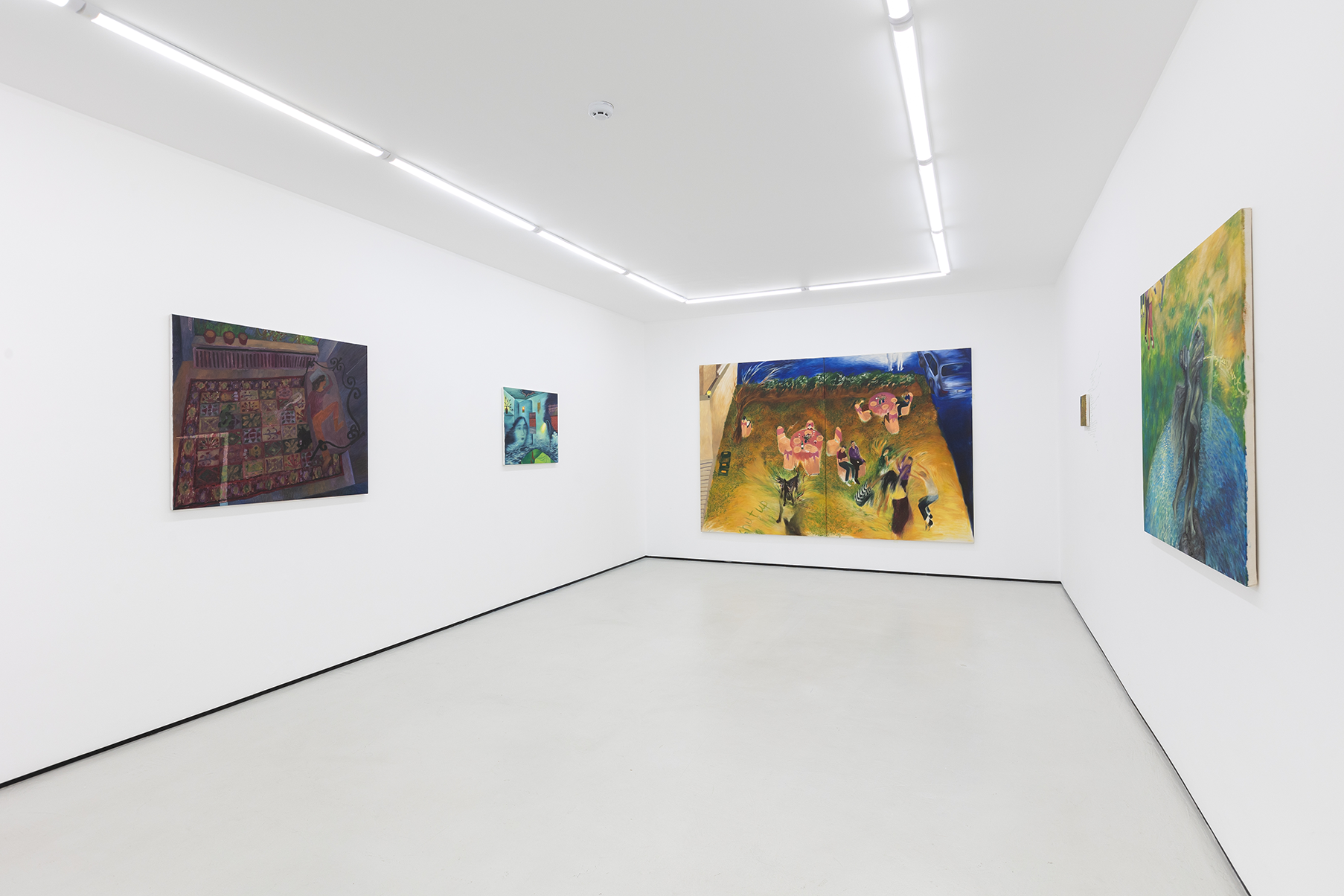
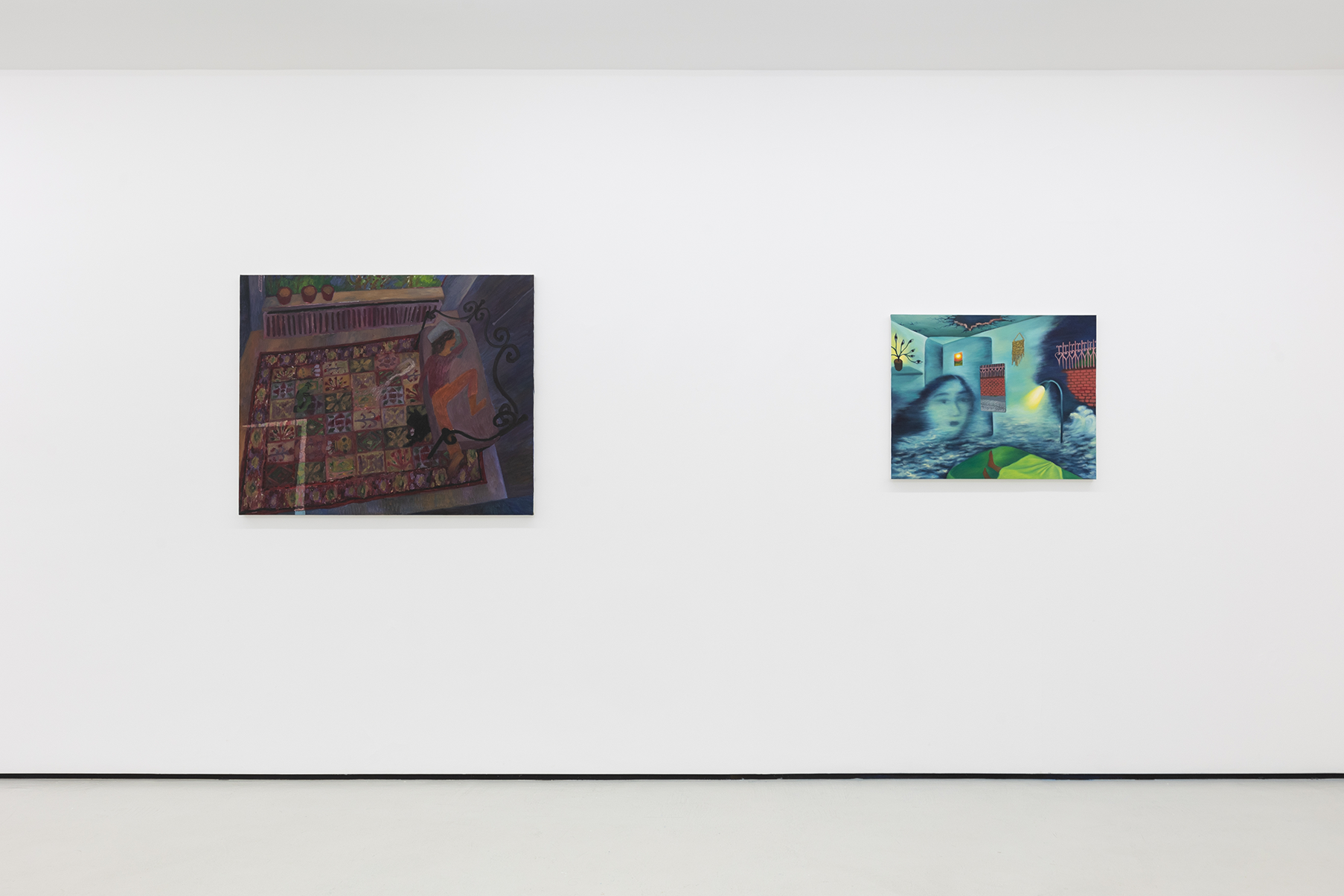
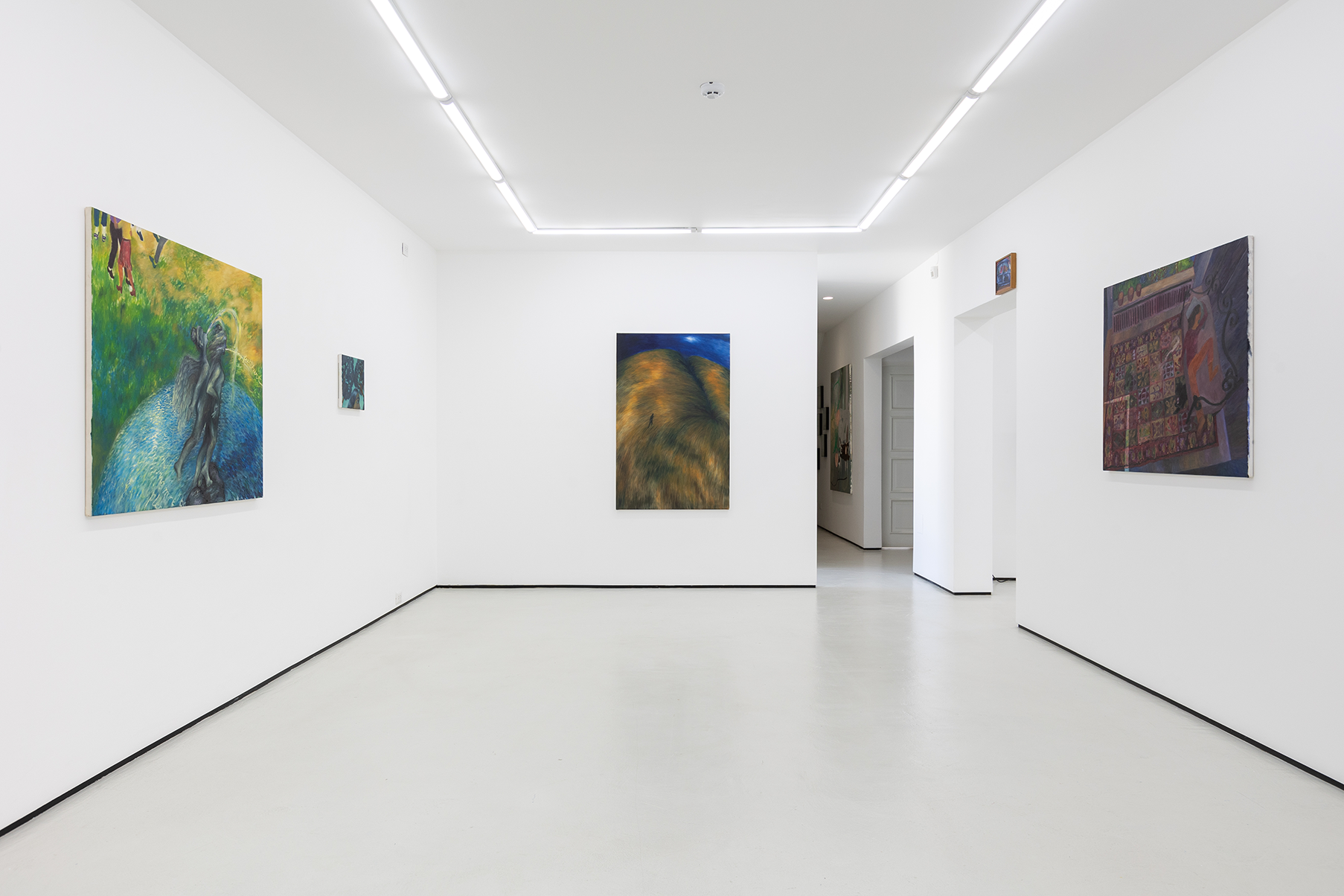
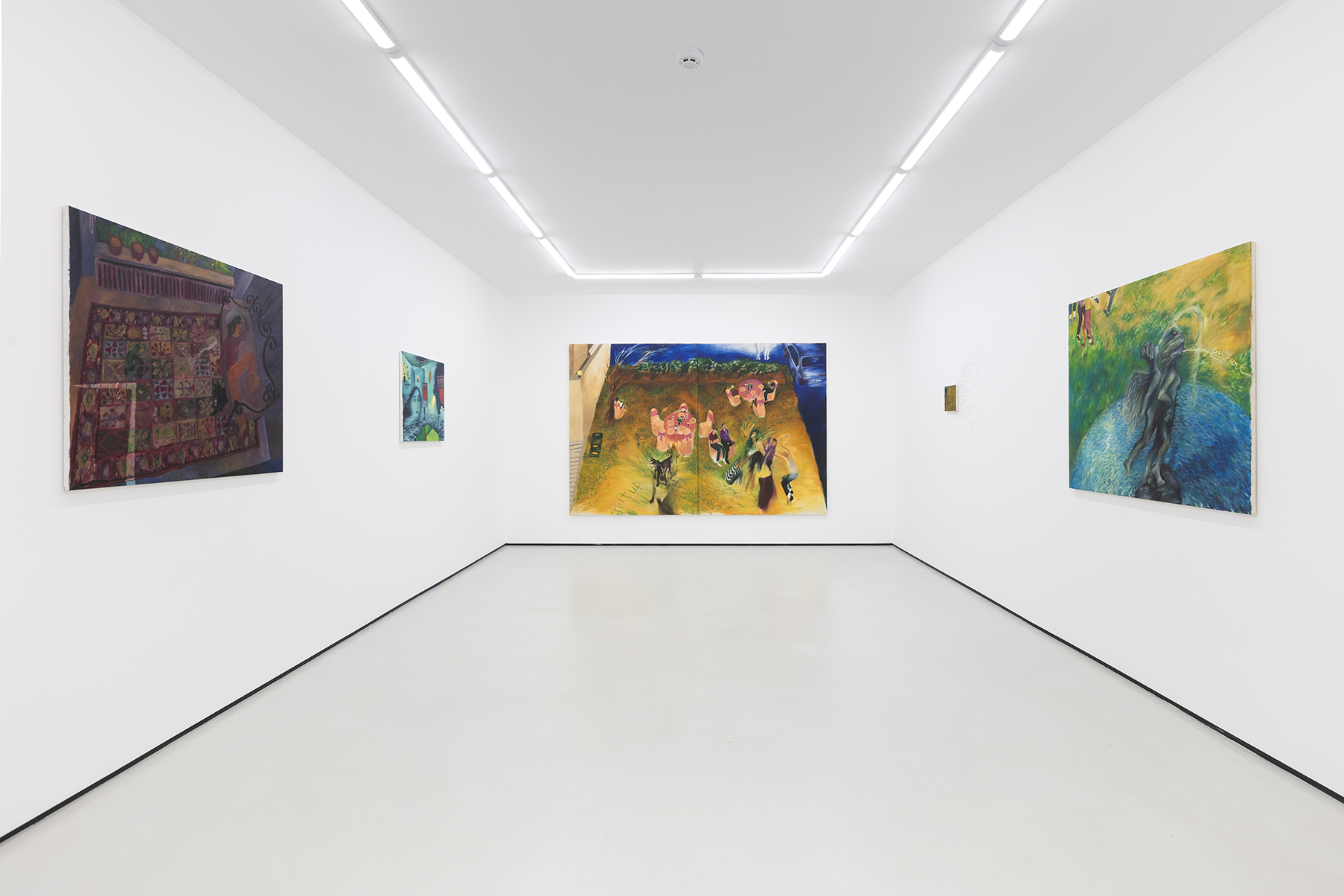
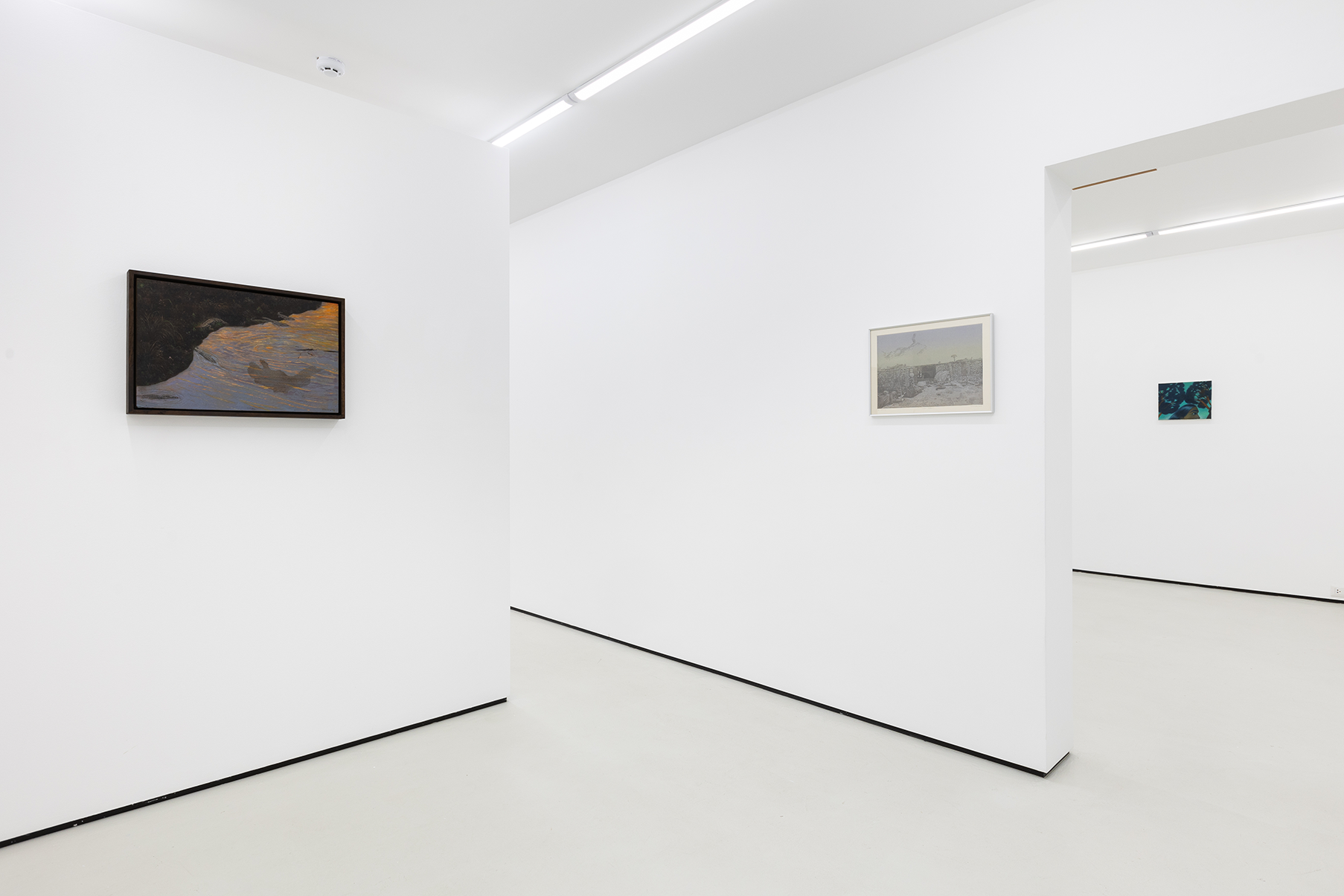
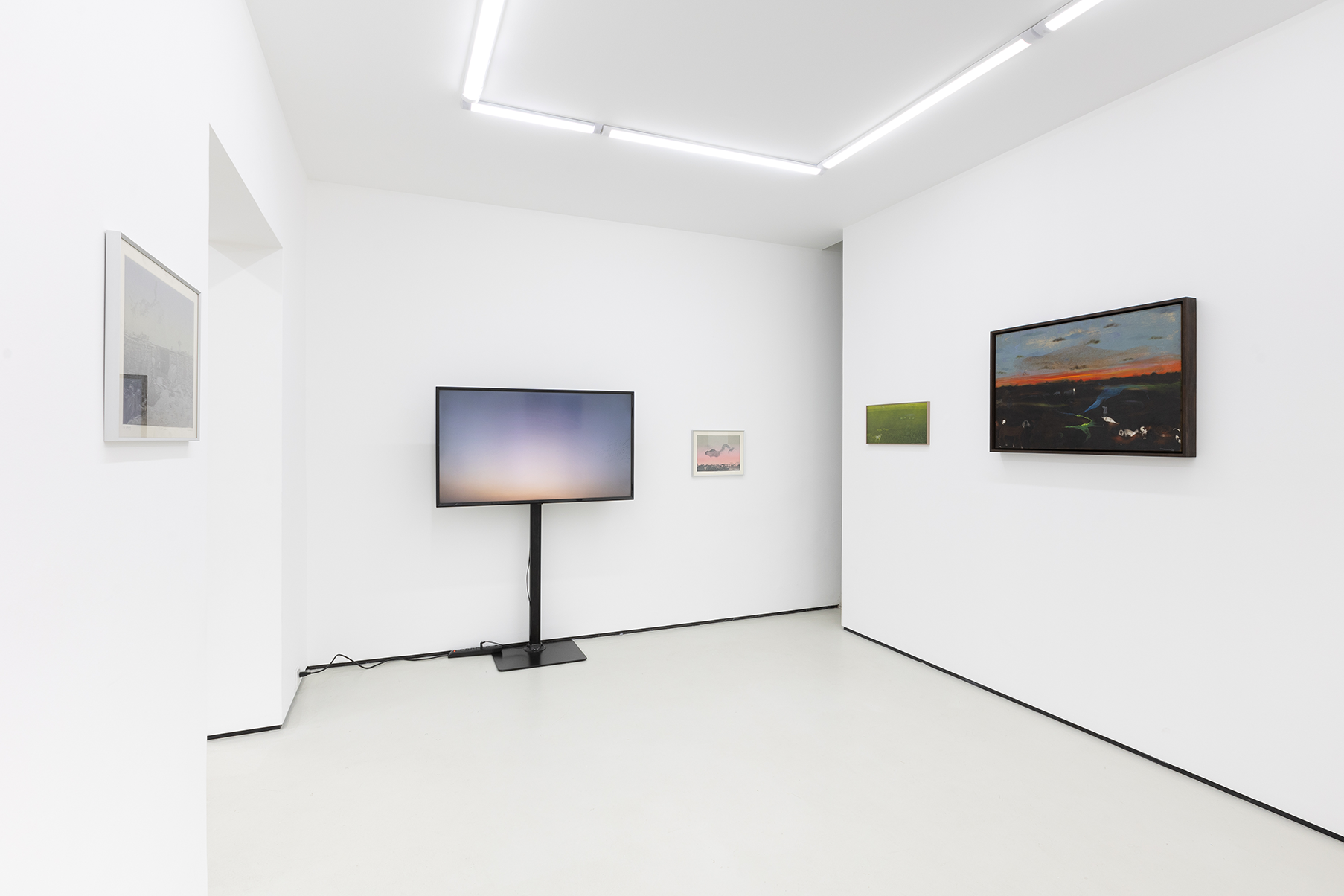
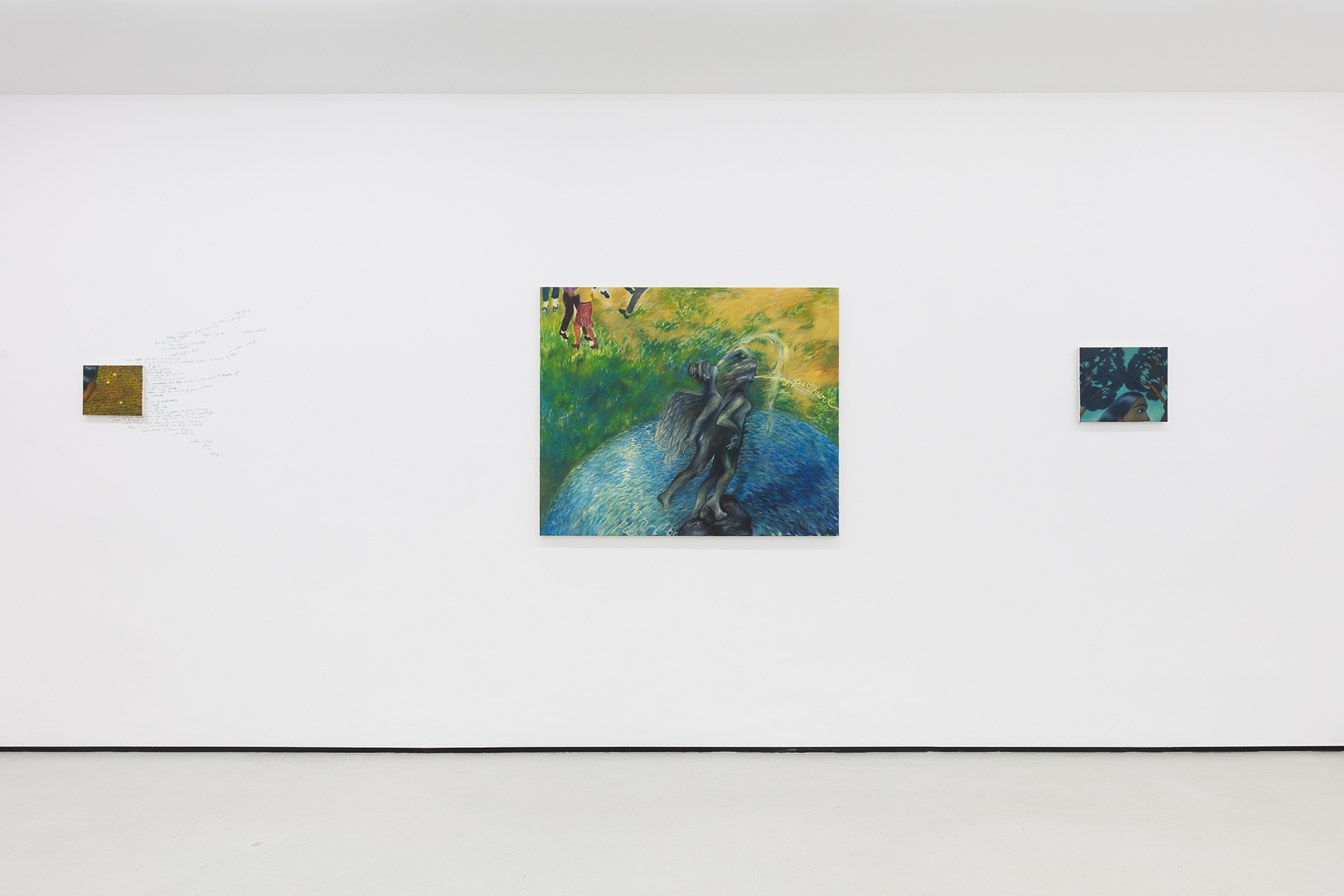
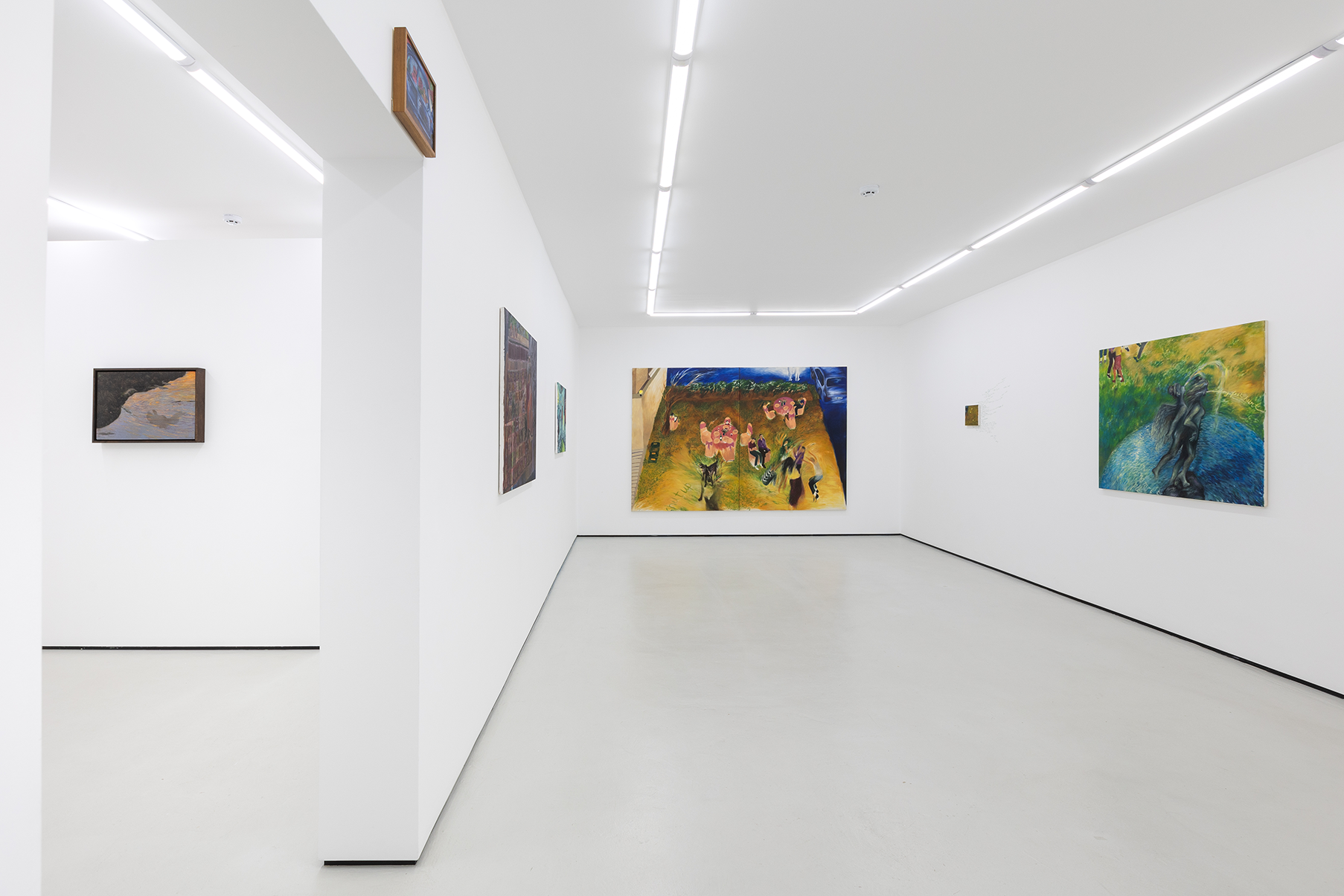
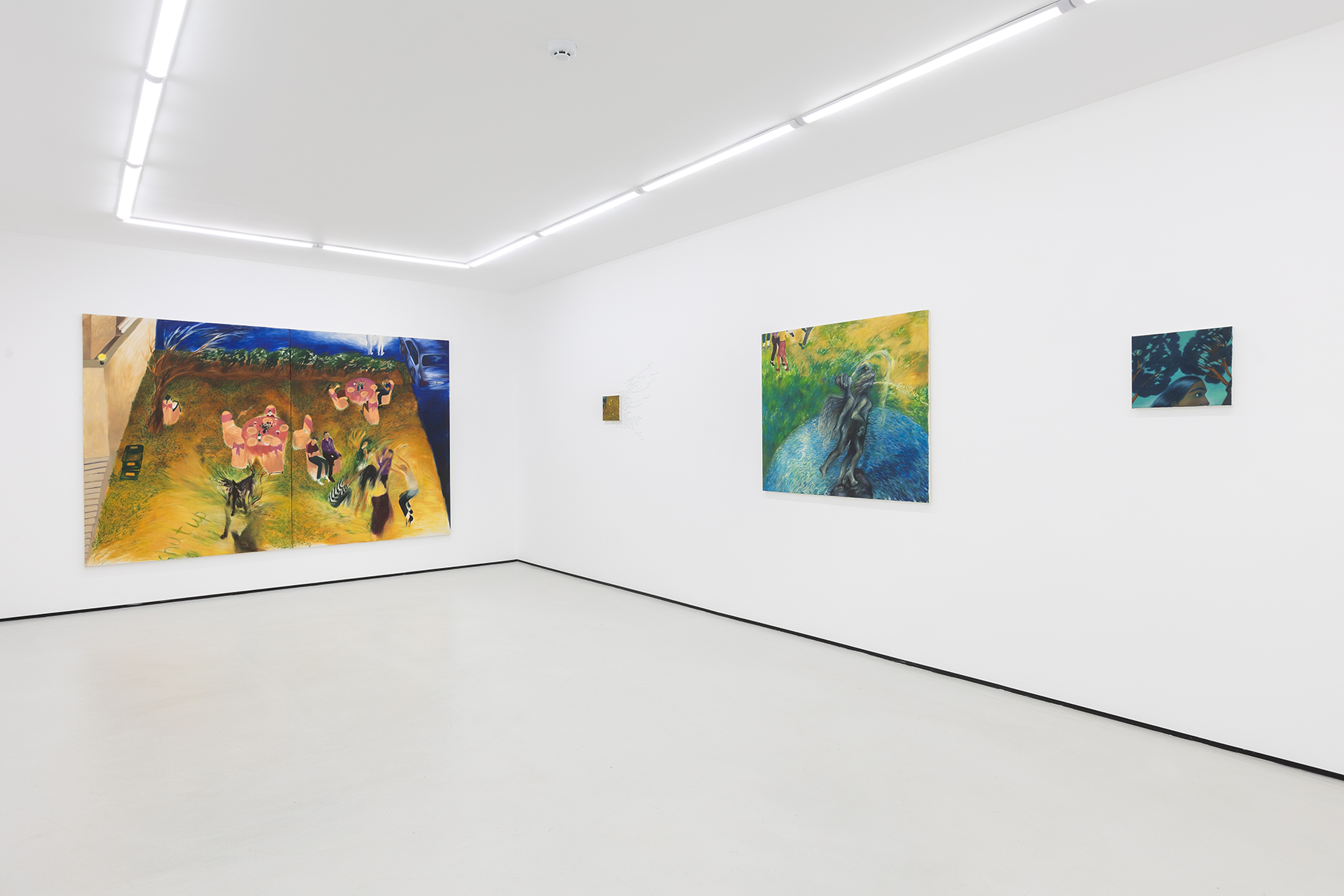
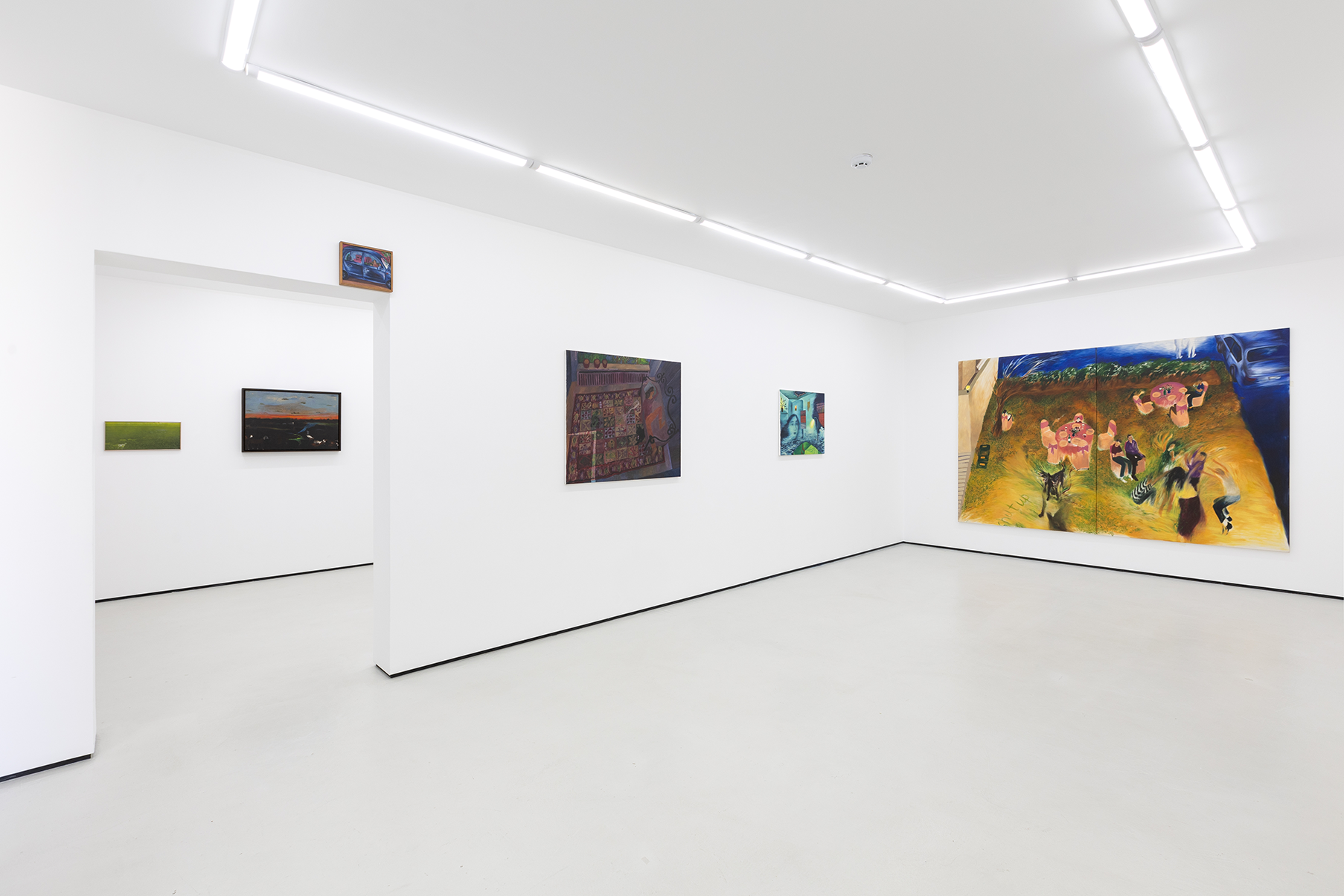
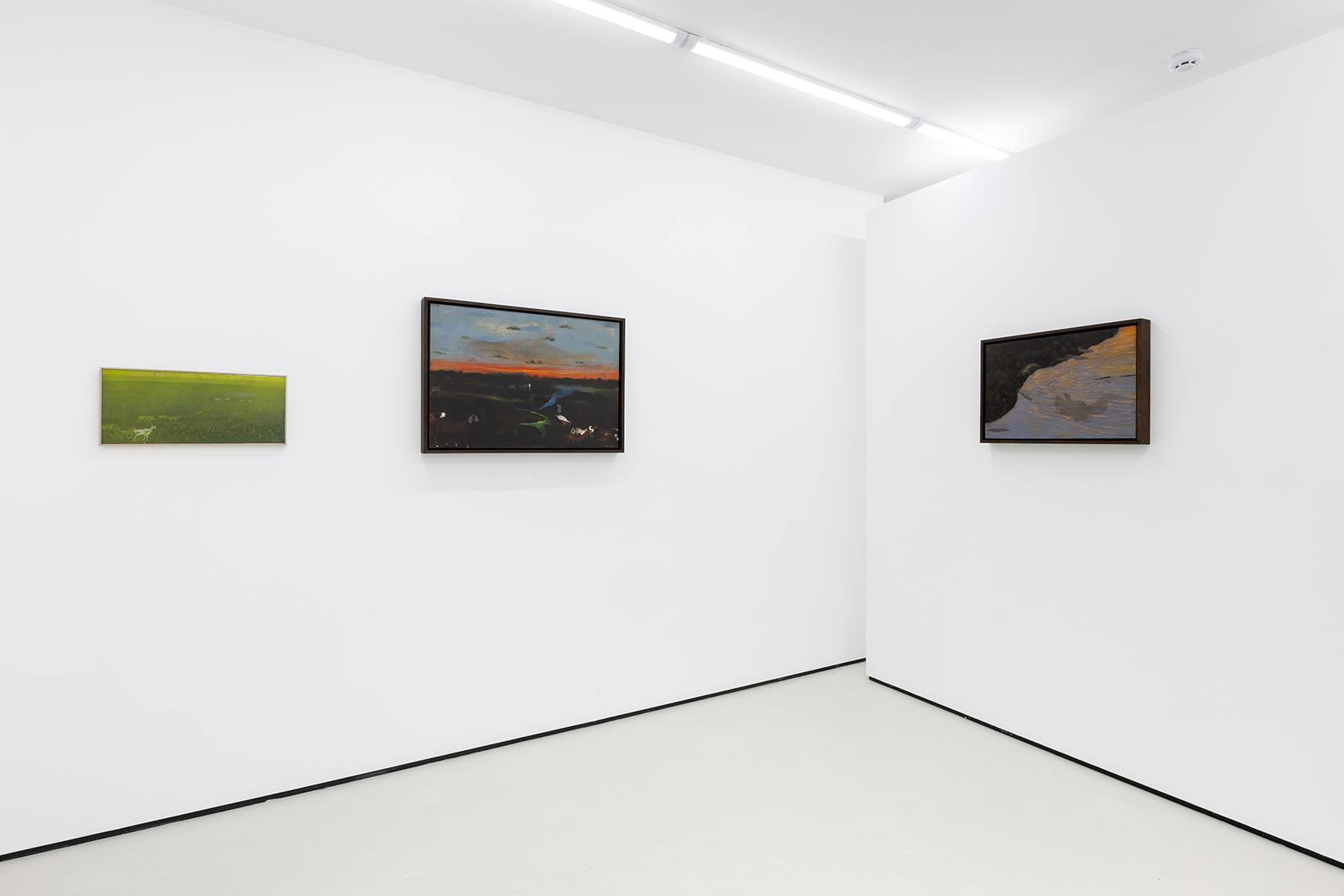
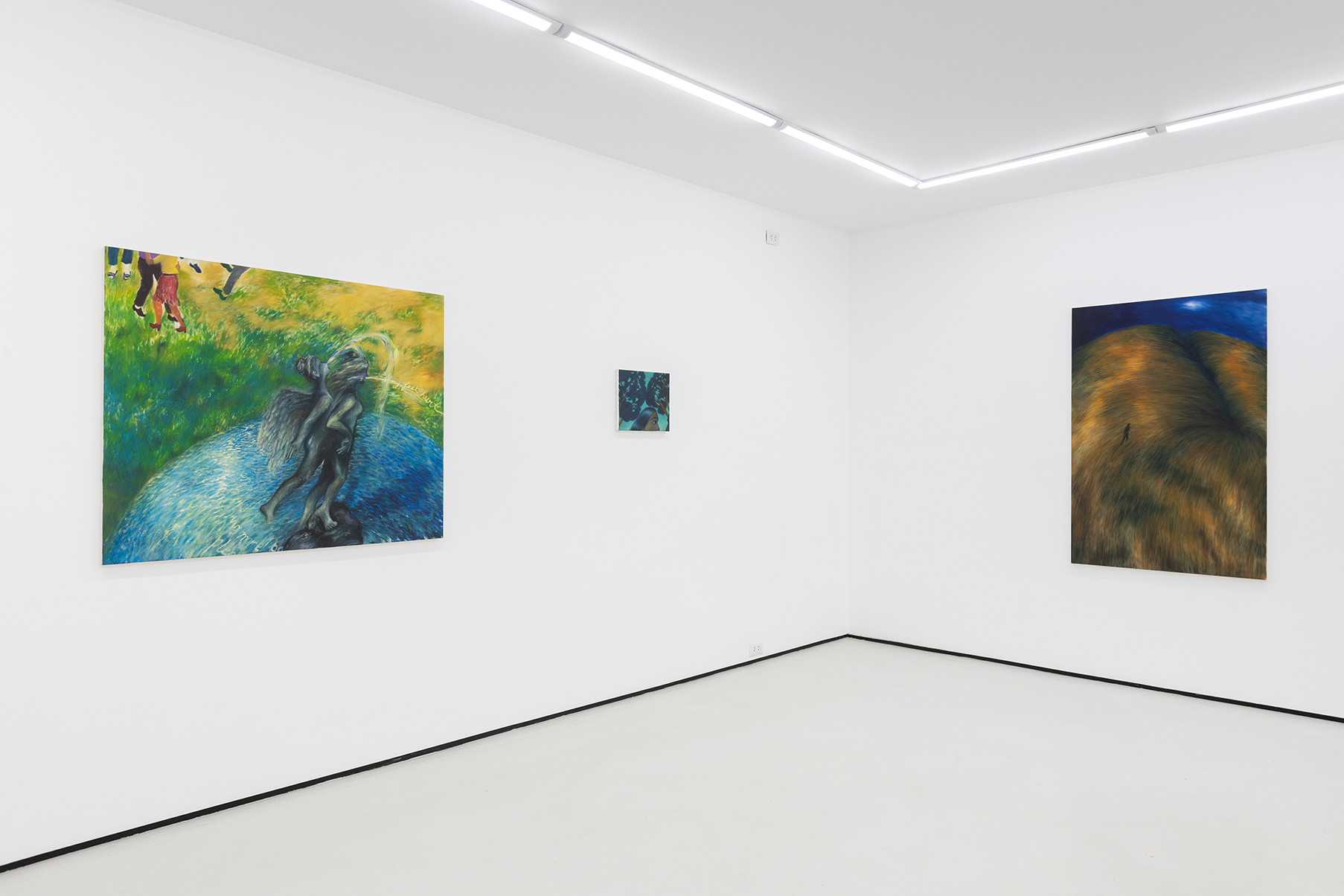
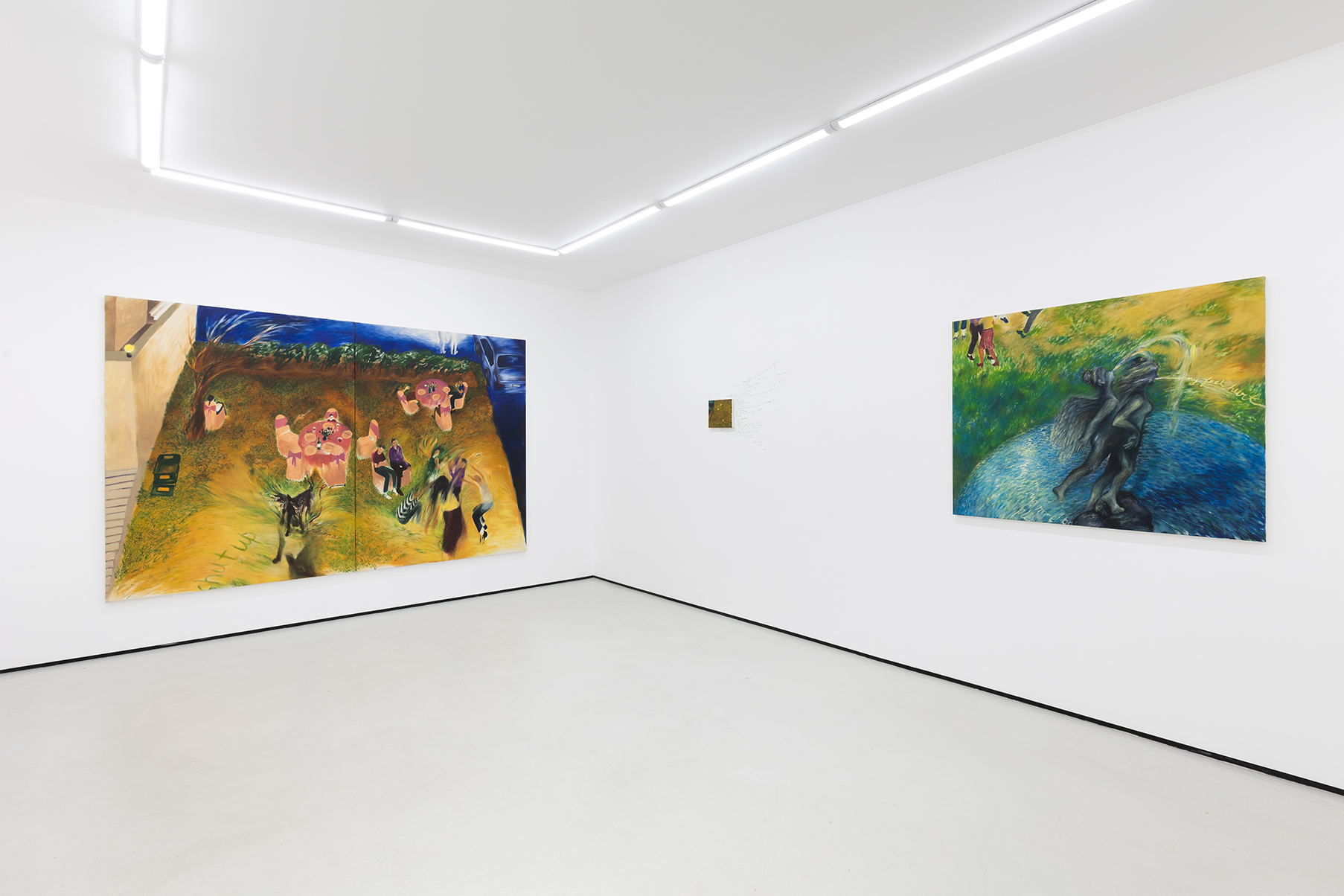
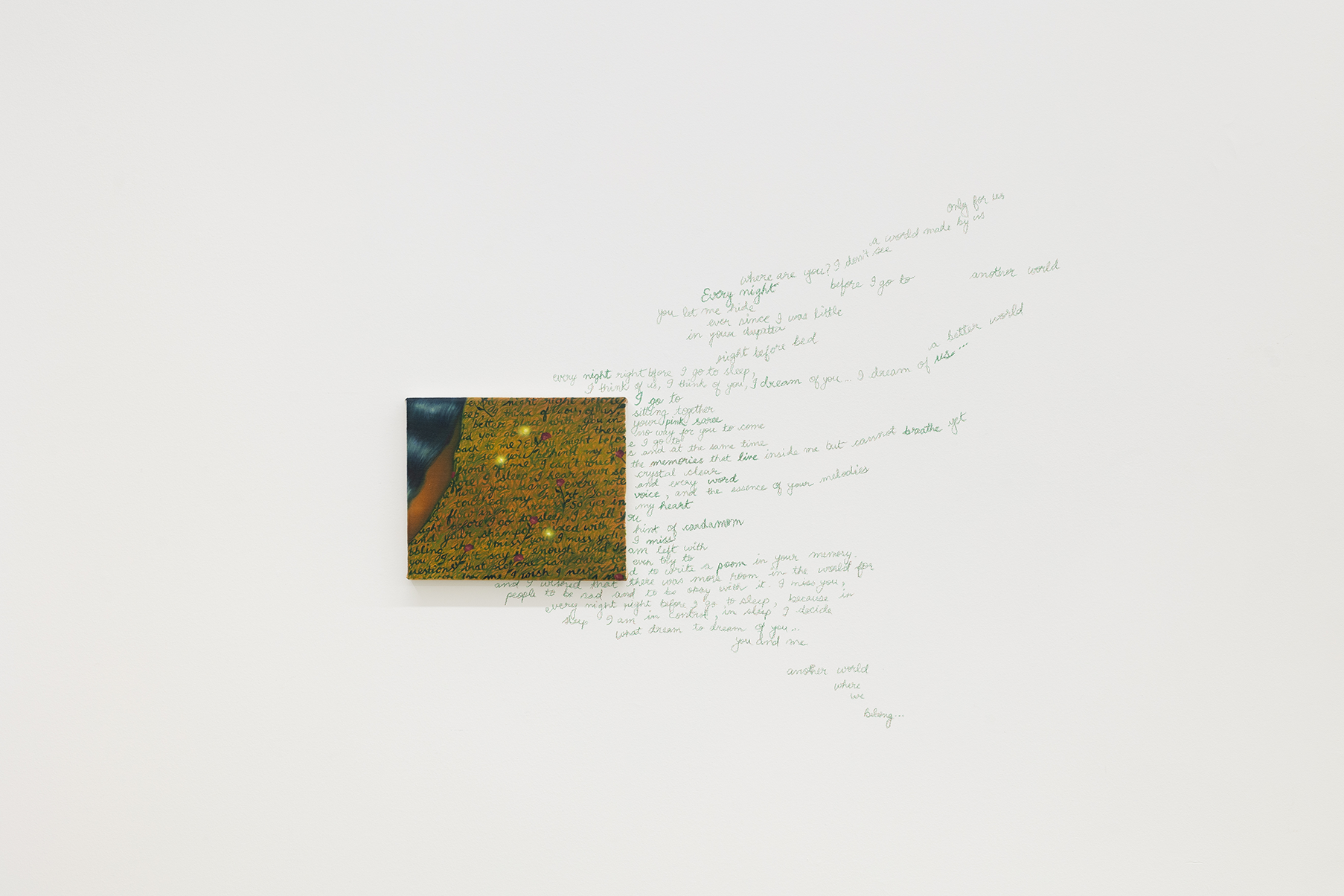
A flock of birds crosses the evening sky. For a moment, hundreds of bodies gather into a single form before separating again. Its appearance depends on a temporary arrangement. It will soon disappear and the evening sky will remain as it was, but slightly different. In Hasan Ali Kadiwala’s work, this movement is deeply tied to memory. His landscapes are held together by birds, rivers, animals, village houses, families, and fragments of Arabic and Urdu writing. He does not present a fixed image, but rather reconstructs it through recollection. In Bustan-e Marifat (بستا نِ معرفت, “Garden of Knowing”), childhood memories, spiritual experiences, stories, and encounters with animals, coexist without settling into a single narrative. The flock of birds appearing during the Azaan (أَذَان), the Islamic call to prayer, is particularly striking. The word Azaan comes from a root associated with announcing, proclaiming, or making something known. Its voice travels through the same air as the birds: one is a human voice, the other a shifting arrangement of bodies. Both briefly take form, and eventually disappear. This relation between appearance and disappearance takes another form in Shivangi Kalra’s paintings. Her scenes have a day-to-day feeling: a family gathered around a table, a child beside an adult, people dancing, a car and a garden. But the longer we stay, the less certain these figures become. Bodies transform, scales invert, spaces stretch, and gestures lose their context. Her paintings have the peculiar feeling of dreams remembered just after waking up: recognizable in fragments, but increasingly difficult to hold together. There is an impulse to grasp the scene before it fades. We recognize a face, or a place, and then lose the connection between them. What remains is not quite the event itself, but a few persistent details. Kalra’s paintings seem to occupy precisely this interval, between the moment of recognition and the moment when the image begins to fade. Across these works, appearance is never a final state. It is a temporary arrangement. Memory, landscapes, spirituality, intimacy, and the human body, appear here not as subjects to be represented, but as forms that are continually being reorganized. What we see is therefore never quite the thing itself. It is what remains, what has shifted, or what has momentarily taken shape. Tarissa Revilla
Receive more information on available works from this exhibition.
WORKS
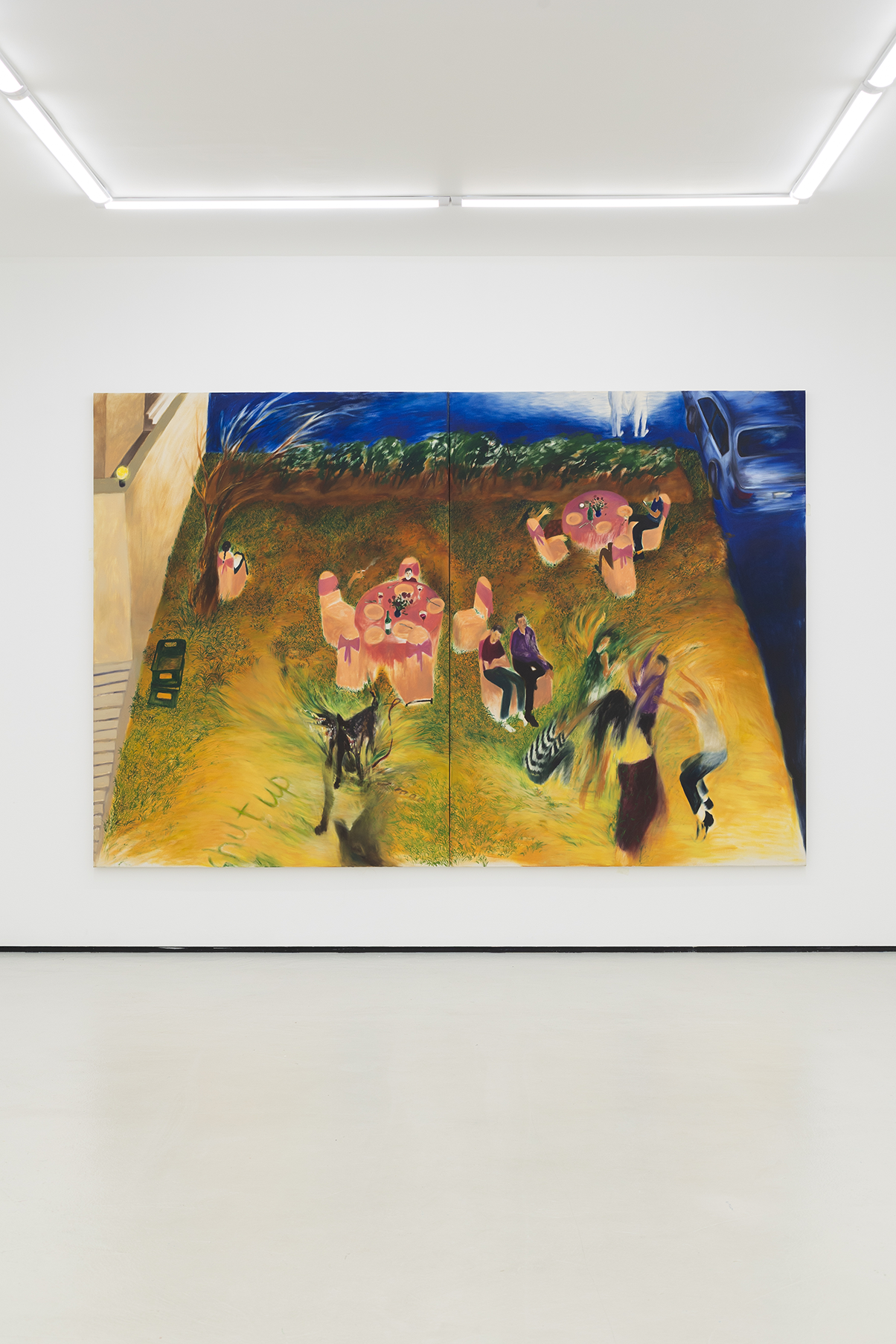
The grass is blue
2024 Oil on canvas 180 x 135 cm (each one)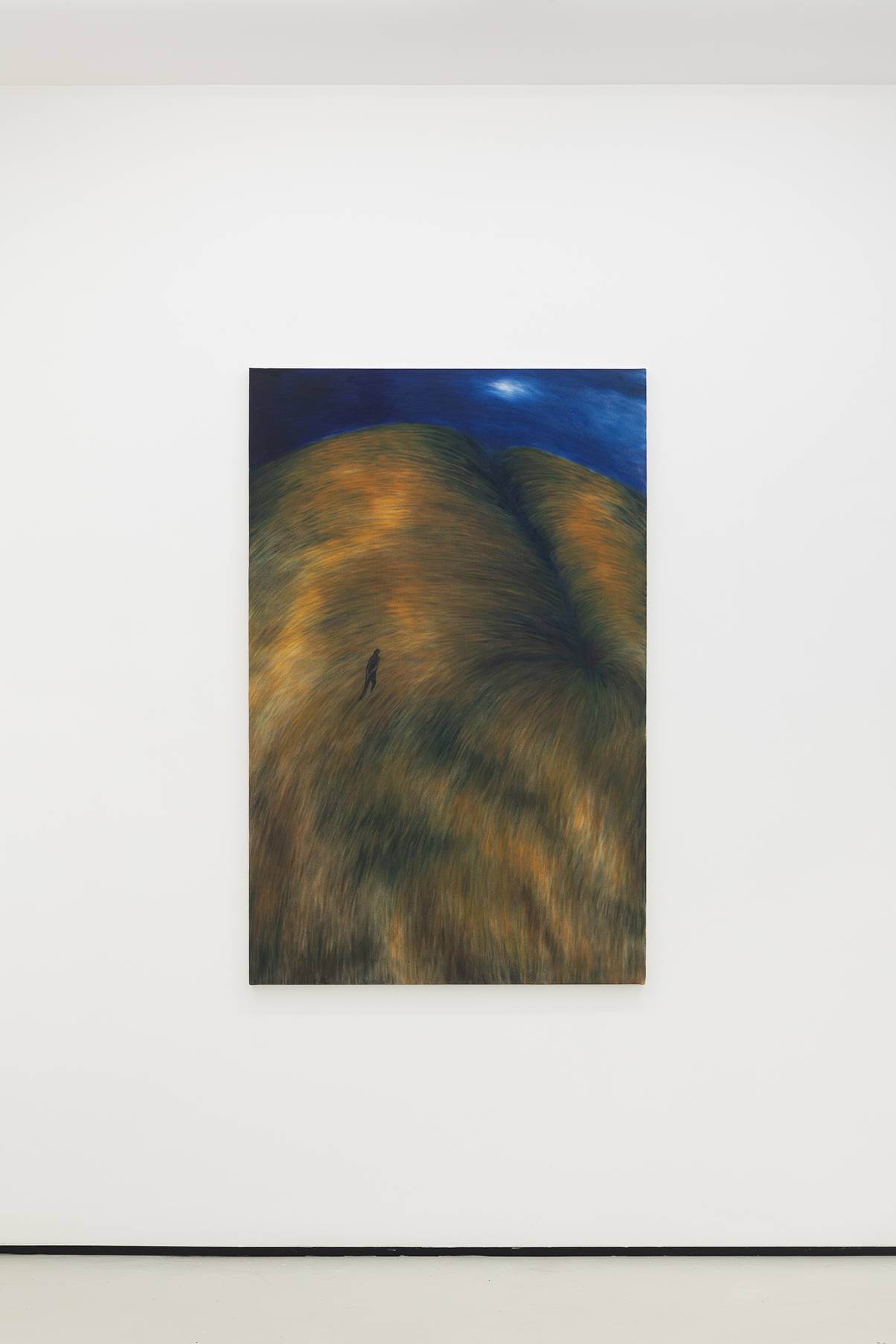
In the back of my head
2025 Oil on canvas 120 x 90 cm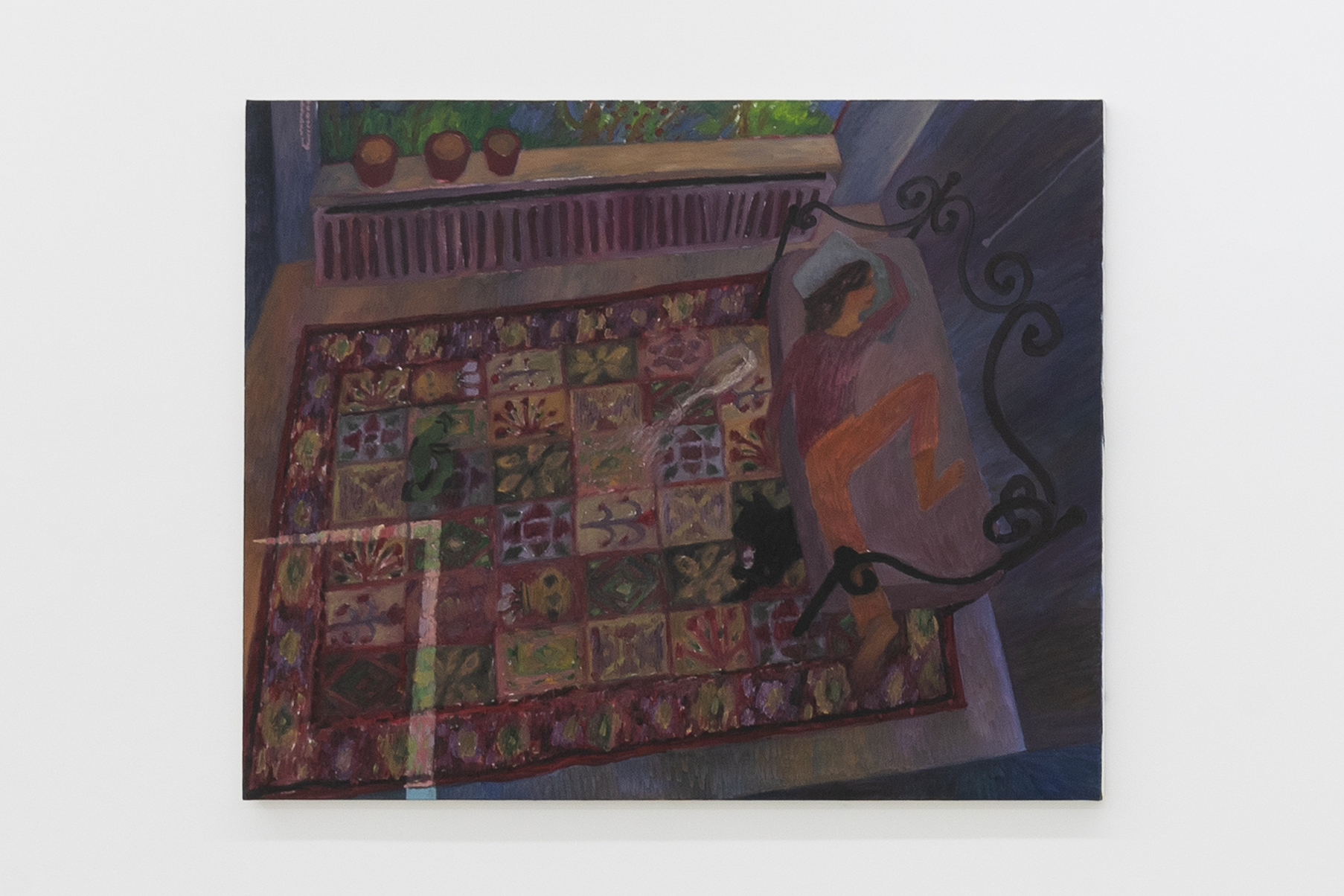
Sleepless
2022 Oil on canvas 90 x 110 cm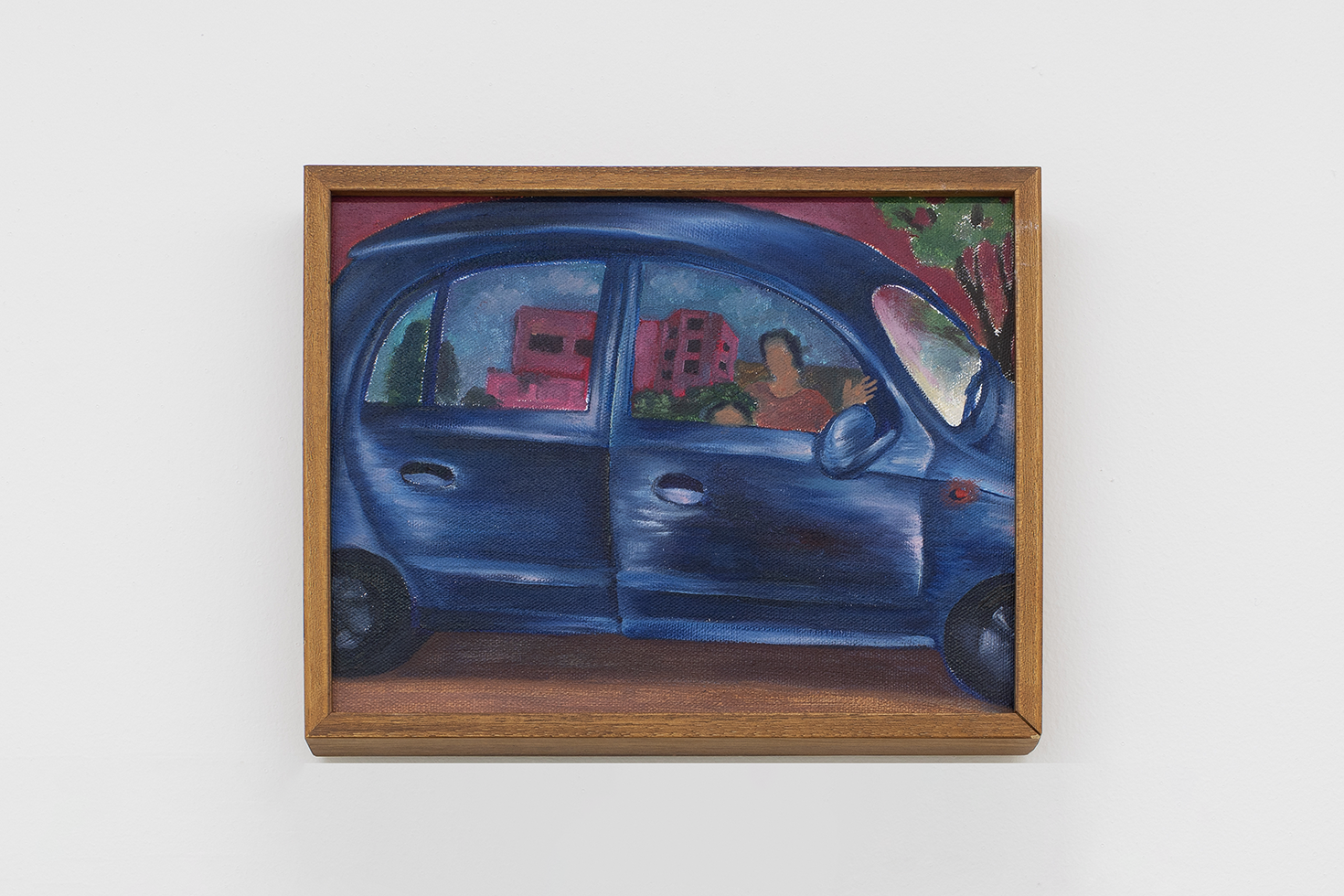
Let's Move
2025 Oil on canvas 20 x 24 cm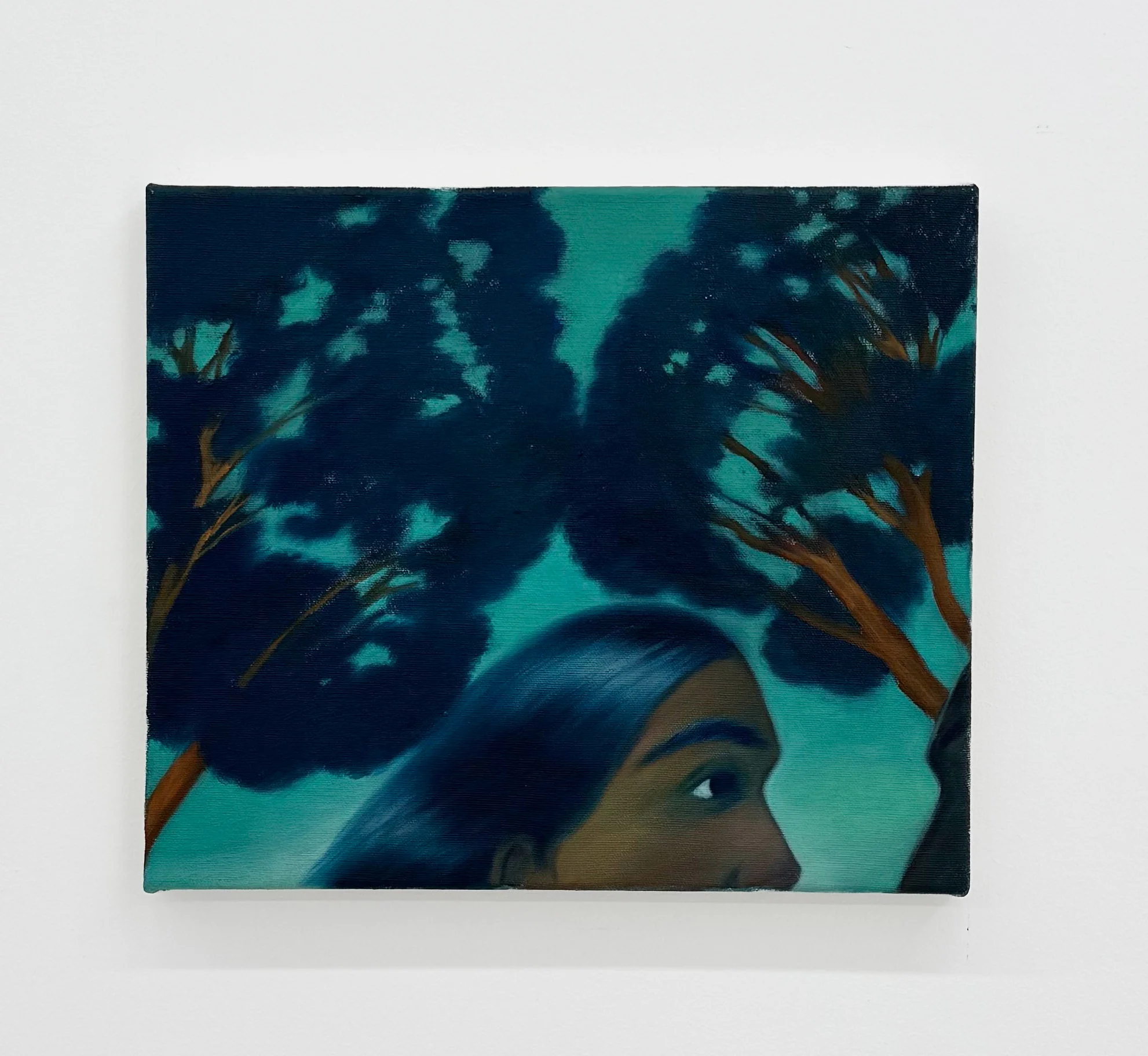
That's all I have
2026 Oil on canvas 30 x 35 cm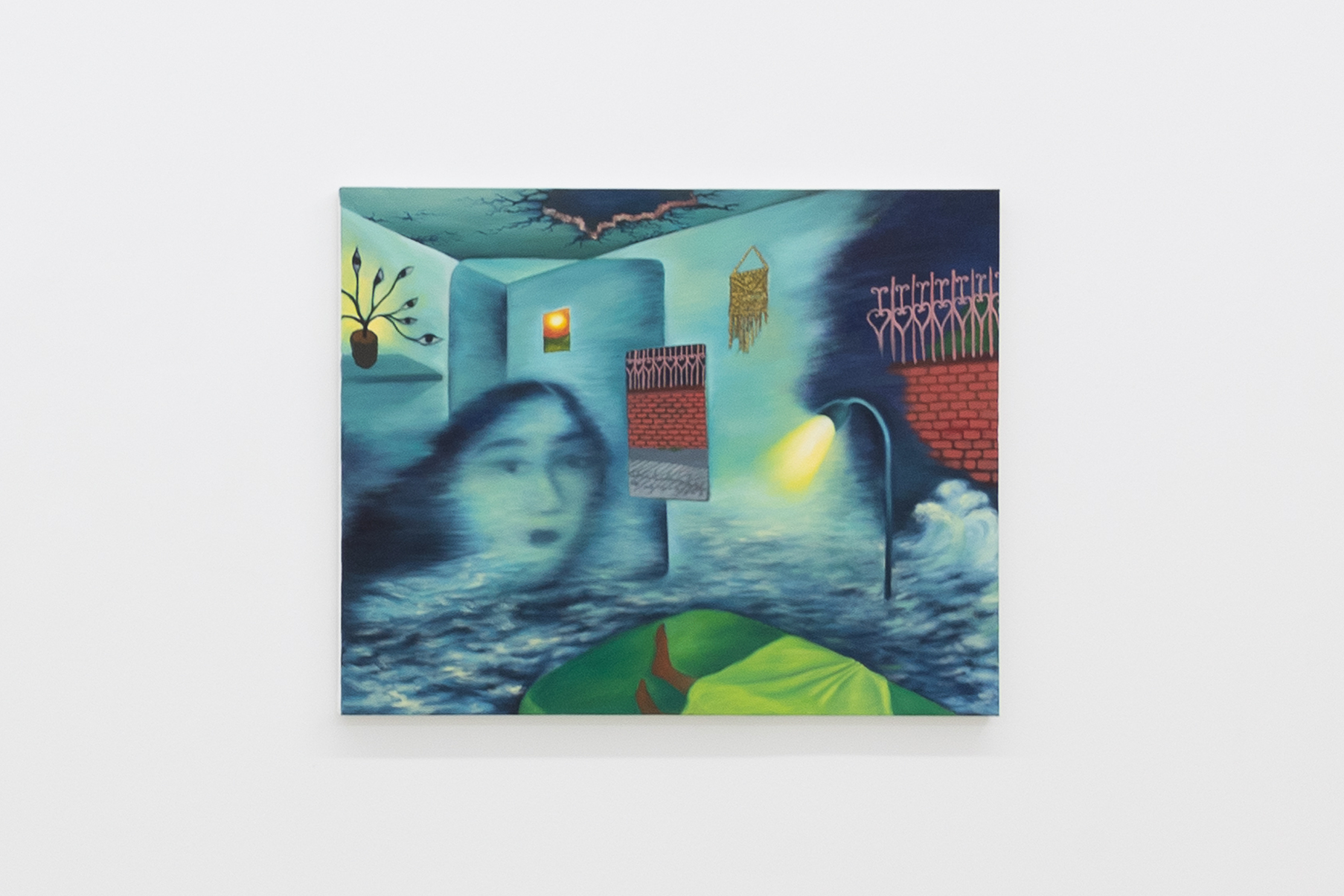
When the floodgates broke open
2026 Oil on canvas 74 x 59 cm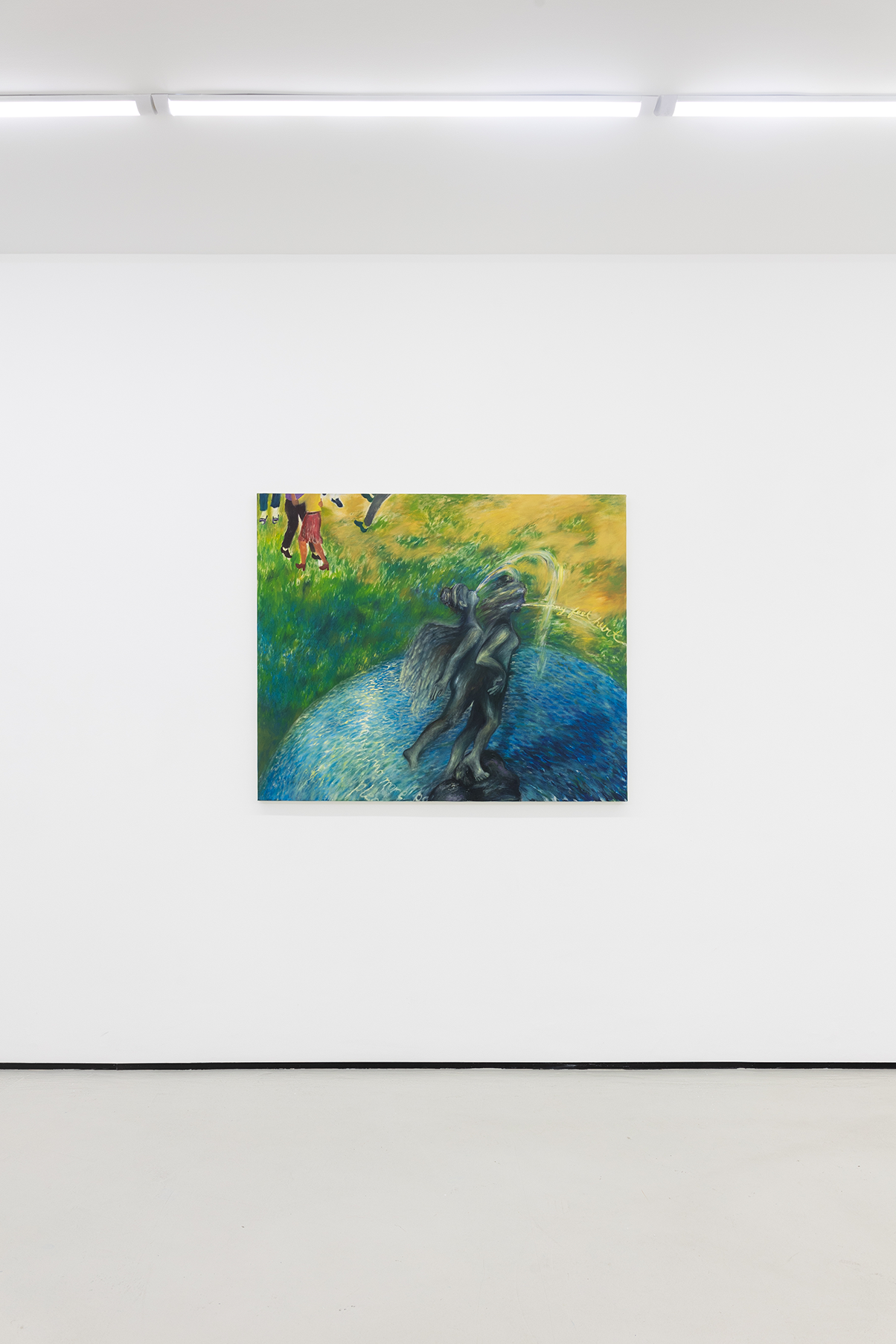
No more poetry, please
2024 Oil on canvas 100 x 135 cm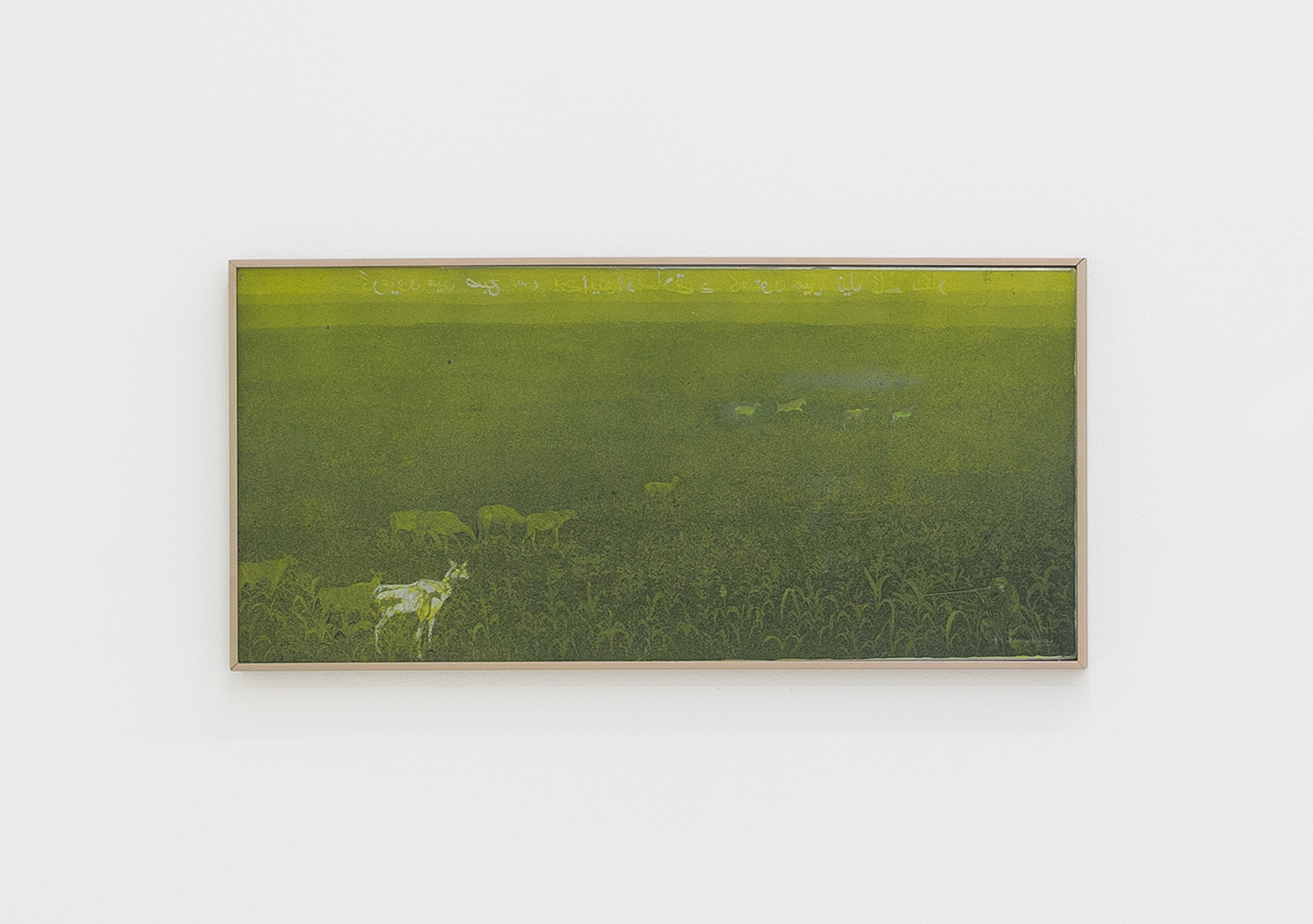
Untitled
2026 Etching on latterpress ink on zinc plate 48.26 x 24.13 cm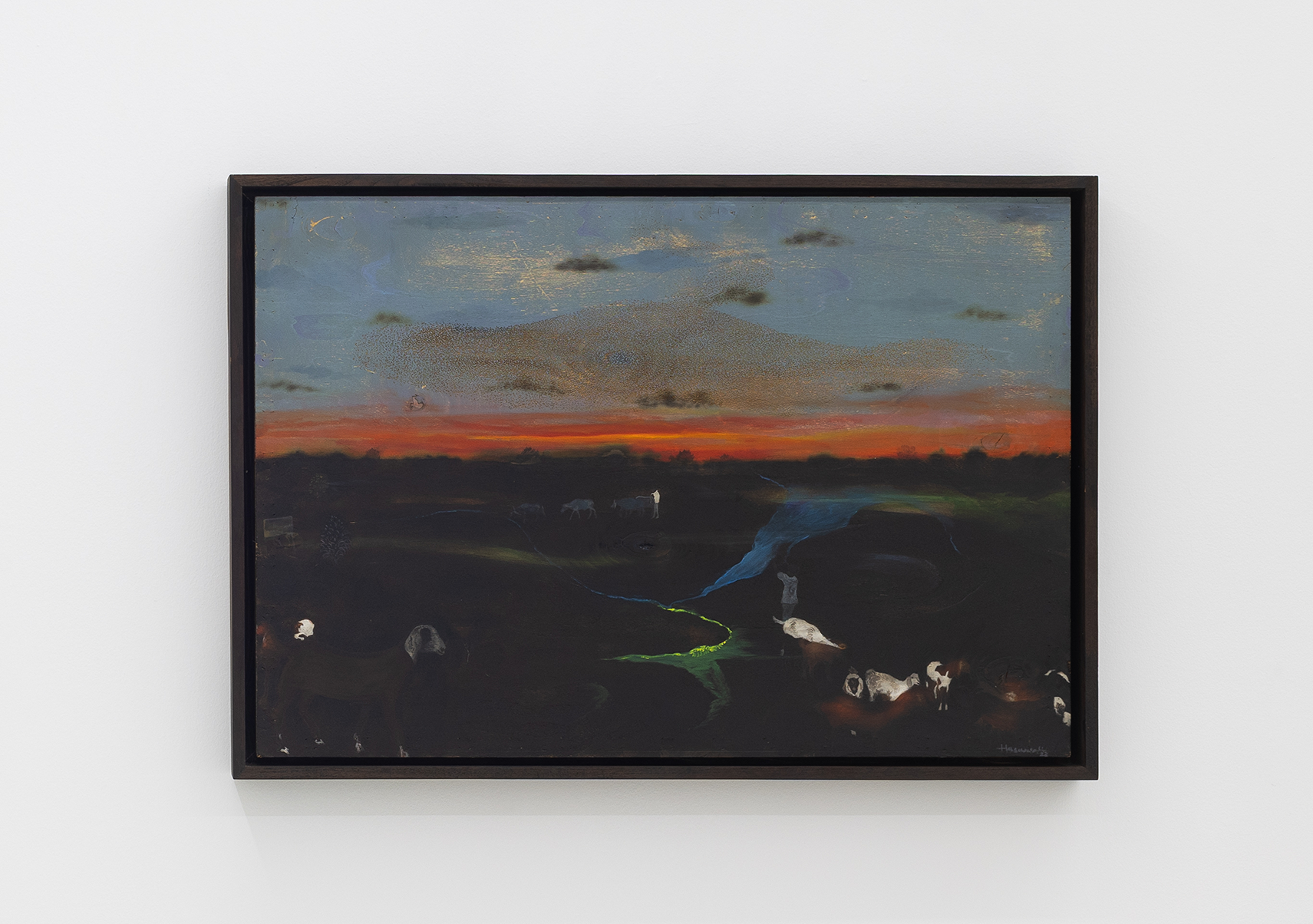
Bustan-e Marifat (The Evening Return)
2026 Acrylic & Oil, Laser Engraving on Torched Wood 55.6 x 79.8 cm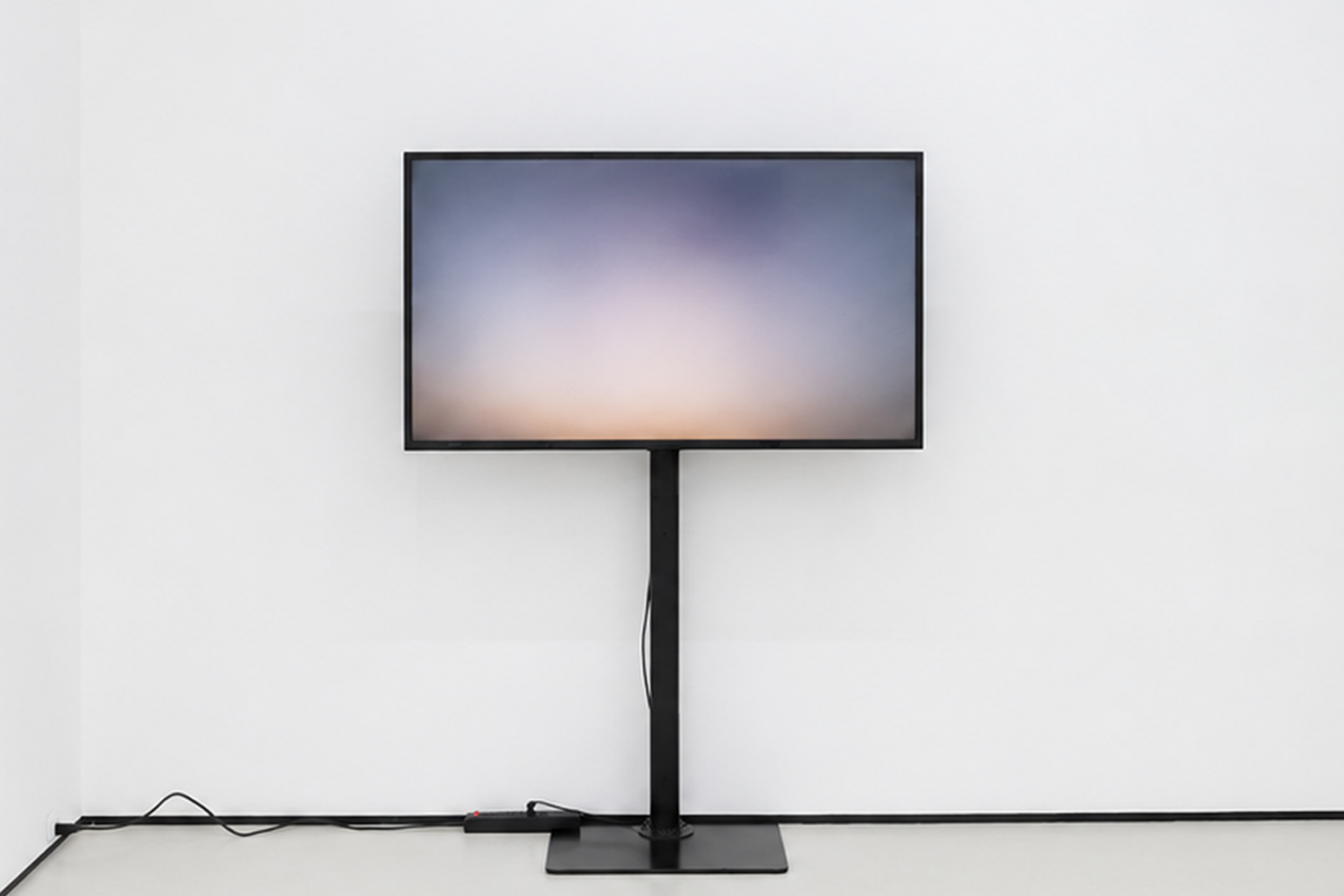
Prayer
2025 Single-channel video and sound, recorded on a mobile phone Limited edition 1/5 of 5 + 1 A/P Duration: 60 seconds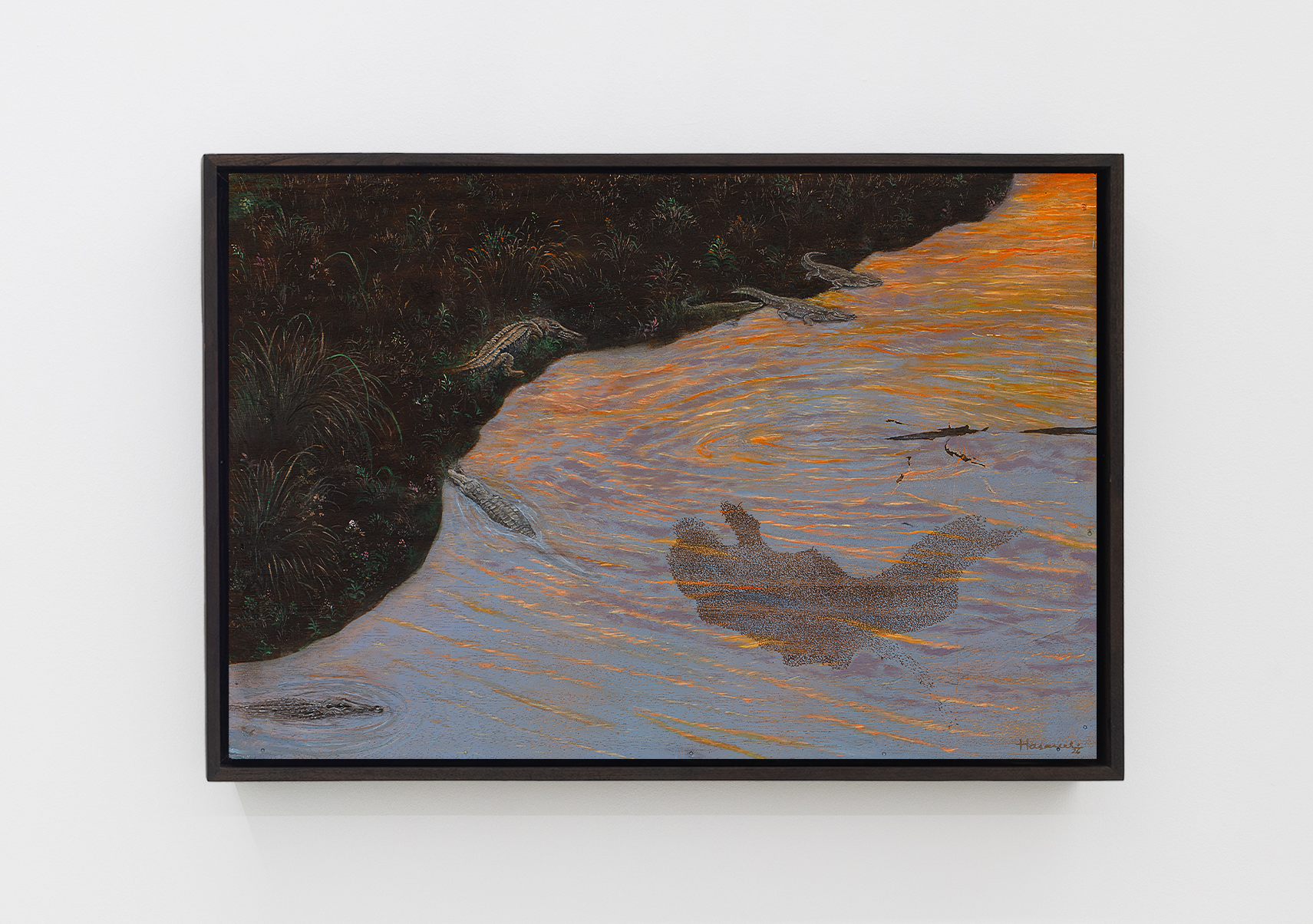
Gulzar (Garden) I
2026 Acrylic & Oil, Laser Engraving on Torched Wood 40.6 x 58.9 cm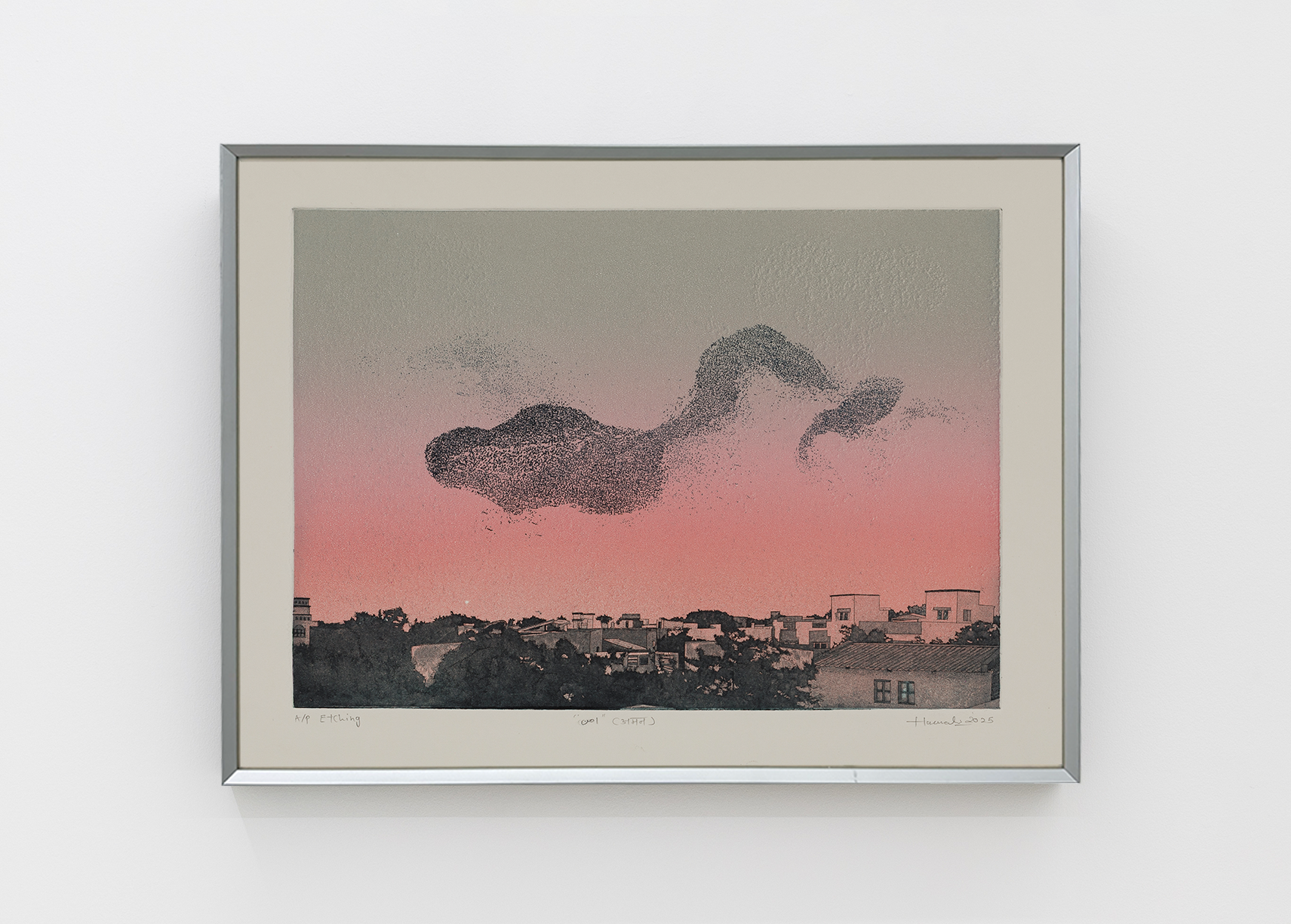
Aman (Peace)
2026 Etching on Fabriano paper Limited edition 25 + 3 A/P of 3 A/P Print size: 24.13 x 33.02 cm Paper size: 34.29 × 46.99 cm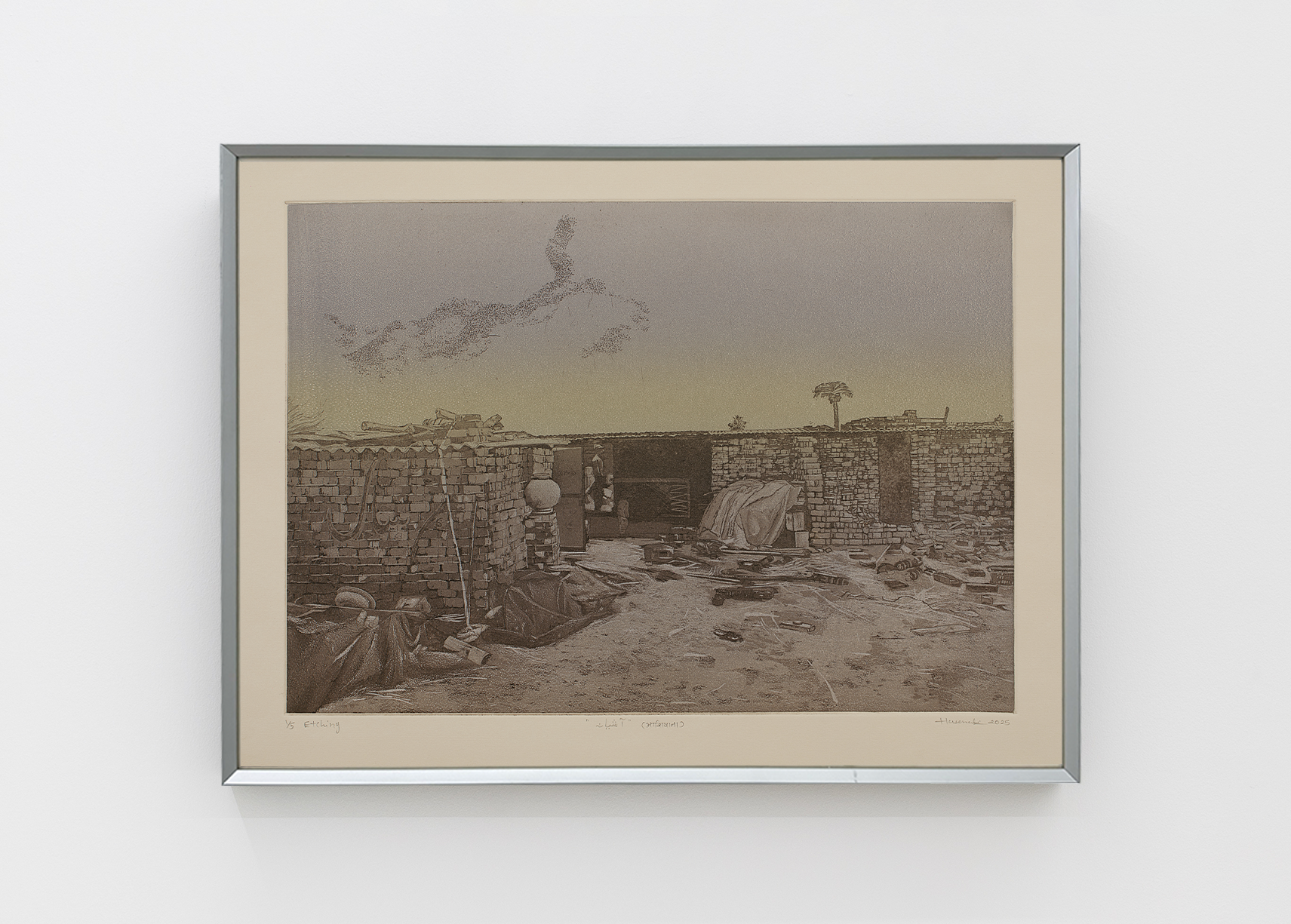
Aashiyaana (Home)
2026 Etching on Fabriano paper Limited edition 3 of 5 + 1 A/P Print size: 29.2 x 41.9 cm Paper size: 34.3 x 47.0 cm
ARTISTS
Hasan Ali Kadiwala
Hasan Ali Kadiwala (b. 2000) is a visual artist whose practice spans printmaking, painting and photography. He completed his BFA in Painting from M.A. Parikh Fine Arts College, Palanpur (2022) and an MVA in Graphic Arts (Printmaking) from the Faculty of Fine Arts, M.S. University, Baroda (2024). Kadiwala’s practice is deeply rooted in memory, sound and place, drawing from the rhythms of his childhood in Vaghrol and the spiritual atmosphere of Islamic devotional traditions. The Azan, Urdu and Arabic texts, and architectural details from Bohra havelis in Sidhpur serve as recurring sources of reflection. His work weaves together spirituality, abstraction and natural phenomena—birds, shifting skies, and fleeting light—where Arabic script becomes an expressive, atmospheric form rather than a literal one. Through layered surfaces and sensitive materiality, he explores the intersections of identity, emotion, and the sacred within everyday experience. He has exhibited widely in India and internationally, participating in group exhibitions such as We Were Always Neighbours at Asia Now Paris (2025), A Fleeting Moment of Infinity (London, 2025), the Gujarat State Lalitkala Academy Exhibitions, and Printed Voices from India (Mumbai/USA). A recipient of the Immerse Fellowship (2025) and the CLKA Open Hand Art Studios Scholarship (2024), he has also undertaken residencies at Somaiya Vidyavihar University (Mumbai), Reliance Art Centre (Baroda) and Chaap Foundation (Baroda). He currently lives and works in Vadodara.
Shivangi Kalra
Shivangi Kalra (Delhi, India, 1998) is a painter based between Amsterdam and India. She studied Painting at the College of Art in Delhi and graduated cum laude from the Frank Mohr Institute in Groningen in 2024, following an exchange programme at Uniarts Helsinki. In the same year, she was awarded the Royal Award for Modern Painting. Working primarily from memory, Kalra creates dreamlike paintings that explore the relationship between perception, recollection, and social experience. Her compositions often depict interiors, terraces, gatherings, and domestic spaces that hover between reality and imagination. Through fragmented narratives, shifting perspectives, and psychologically charged atmospheres, her work examines themes of intimacy, social hierarchies, gendered expectations, and the ways in which personal and collective memories are constructed. Figures, animals, architectural elements, and everyday objects emerge as recurring motifs, appearing and disappearing within scenes that feel both familiar and elusive. Her work has been exhibited at the Groninger Museum, Chabot Museum, Royal Palace Amsterdam, Method (Mumbai), and Museum of Goa, among other venues. In 2025, she will present a solo exhibition at the Drents Museum in Assen.
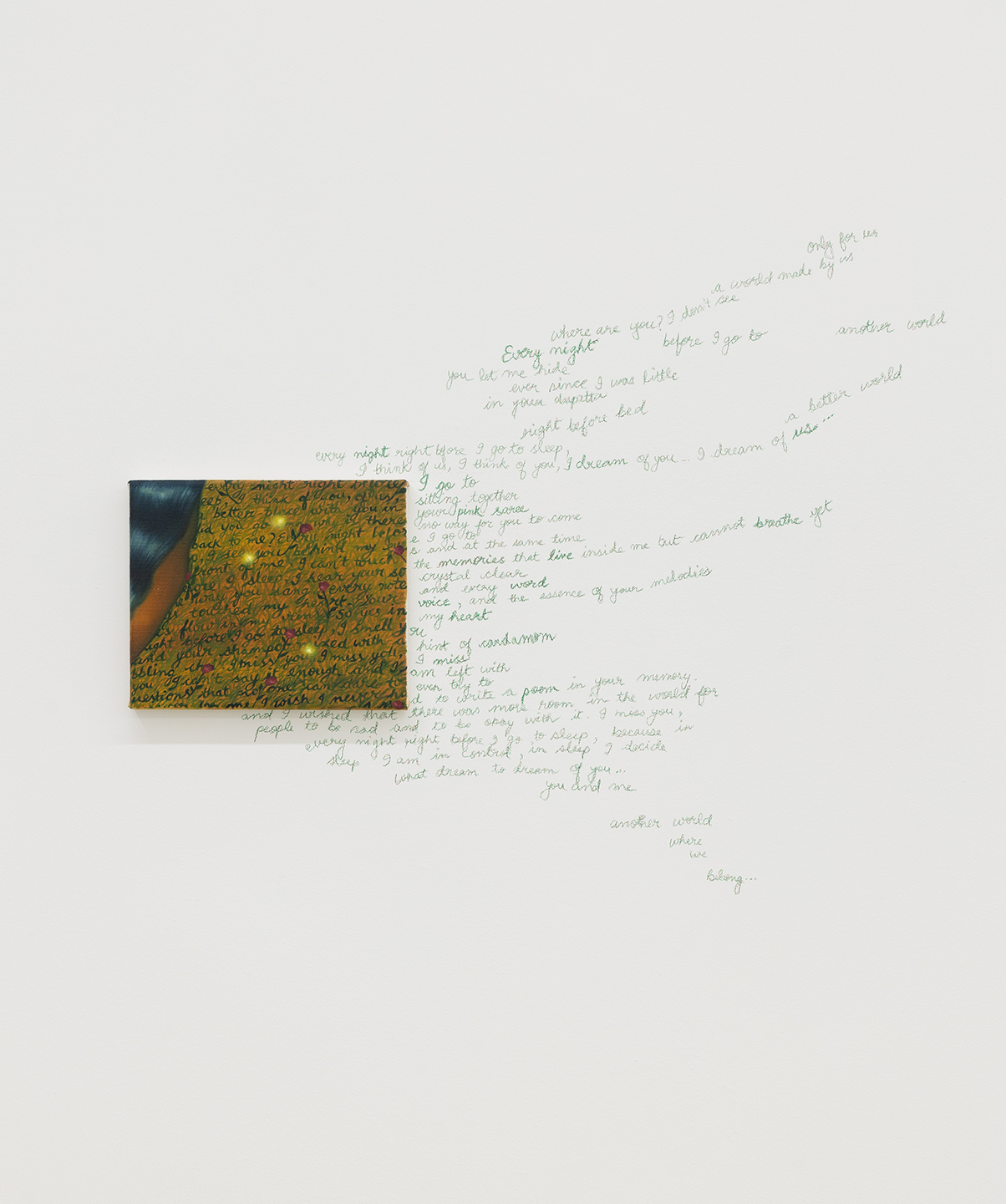
No beginnings, no ends 2026
Oil on canvas
20 x 24 cm
The grass is blue 2024
Oil on canvas
180 x 135 cm (each one)
In the back of my head 2025
Oil on canvas
120 x 90 cm
Sleepless 2022
Oil on canvas
90 x 110 cm
Let's Move 2025
Oil on canvas
20 x 24 cm
That's all I have 2026
Oil on canvas
30 x 35 cm
When the floodgates broke open 2026
Oil on canvas
74 x 59 cm
No more poetry, please 2024
Oil on canvas
100 x 135 cm
Untitled 2026
Etching on latterpress ink on zinc plate
48.26 x 24.13 cm
Bustan-e Marifat (The Evening Return) 2026
Acrylic & Oil, Laser Engraving on Torched Wood
55.6 x 79.8 cm
Prayer 2025
Single-channel video and sound, recorded on a mobile phone Limited edition 1/5 of 5 + 1 A/P
Duration: 60 seconds
Gulzar (Garden) I 2026
Acrylic & Oil, Laser Engraving on Torched Wood
40.6 x 58.9 cm
Aman (Peace) 2026
Etching on Fabriano paper
Limited edition 25 + 3 A/P of 3 A/P
Print size: 24.13 x 33.02 cm
Paper size: 34.29 × 46.99 cm
Aashiyaana (Home) 2026
Etching on Fabriano paper
Limited edition 3 of 5 + 1 A/P
Print size: 29.2 x 41.9 cm
Paper size: 34.3 x 47.0 cm