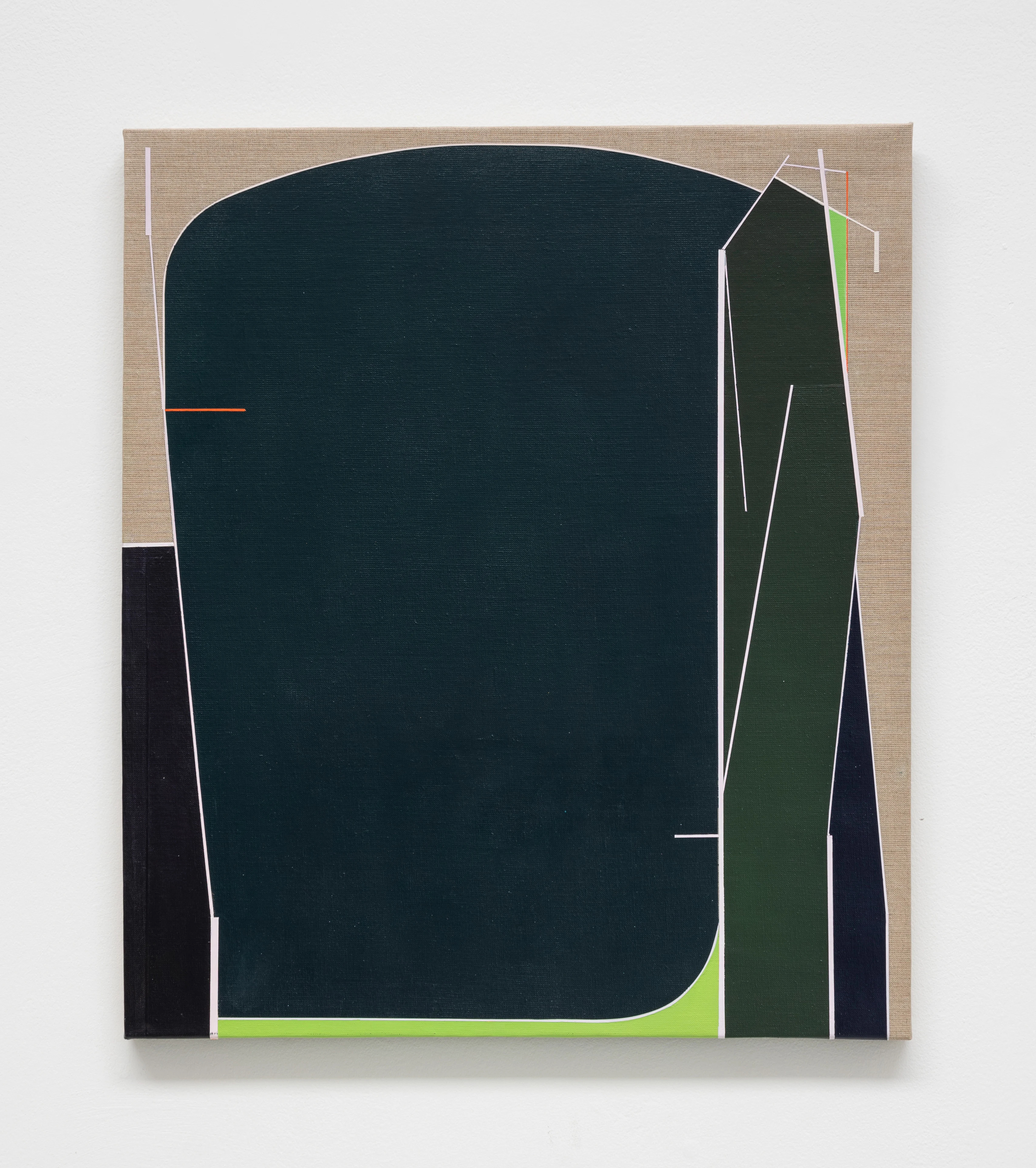
Isabelle Borges
BIOGRAPHY
(b. 1966, Salvador, Brazil) Isabelle Borges is an artist whose predominantly abstract work explores patterns and structures found in the visible world. Her main focus is the geometry of the spaces between things and the resulting spatial dynamics. Through her practice, she creates pictorial spaces that expand and contract, evoking spatial networks in motion. Between 1985 and 1987, she studied Social Sciences at the University of Brasília, and from 1988 to 1992 she lived in Rio de Janeiro, where she attended the Escola Visual do Parque Lage. There, she studied under renowned artists such as Beatriz Milhazes, Daniel Senise, and Charles Watson. In 1993, she moved to Germany, initially settling in Cologne, where she worked as an assistant in the studio of Antonio Dias and the American artist Jack Ox, who was researching the German Dadaist Kurt Schwitters. Her exposure to Schwitters’ work had a strong influence on Borges’ collage series. Between 1996 and 1997, she worked as an assistant to Sigmar Polke and studied at the Düsseldorf Art Academy. At the end of 1997, she moved to Berlin, where she currently lives and works. Borges is heir to various currents within the tradition of abstract art. During her studies in Brazil, the Neo-Concrete Movement had a strong influence on her artistic development, as did the New York School and certain European artists of the 1950s and 1960s. Like many artists of her generation working with abstraction and geometry, Borges does not feel dogmatically bound to the purity of form or to non-illusory space. In her work, spatial illusion and the flatness of forms are in constant interplay, and her compositions are not constructed solely from purely pictorial elements. Borges often draws inspiration from seemingly random structures found in the urban environment, in nature, or in the media. Her work spans a wide aesthetic and conceptual range, incorporating historical references, perceptual experiments, discursive inquiries, and purely subjective approaches.
Receive more information on available works from this artist.
WORK
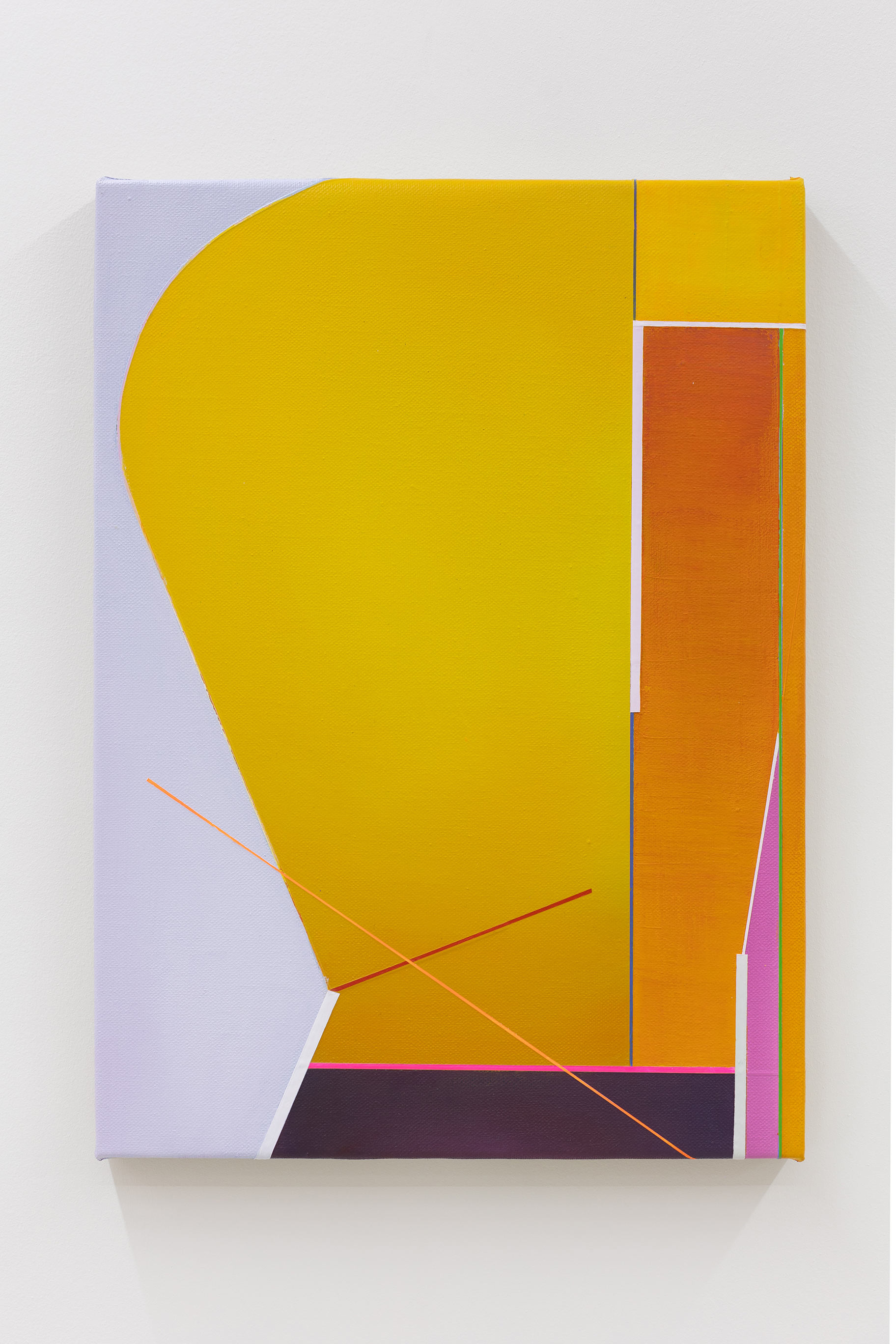
The Watcher
2026 Acrylic on linen 50 x 40 cm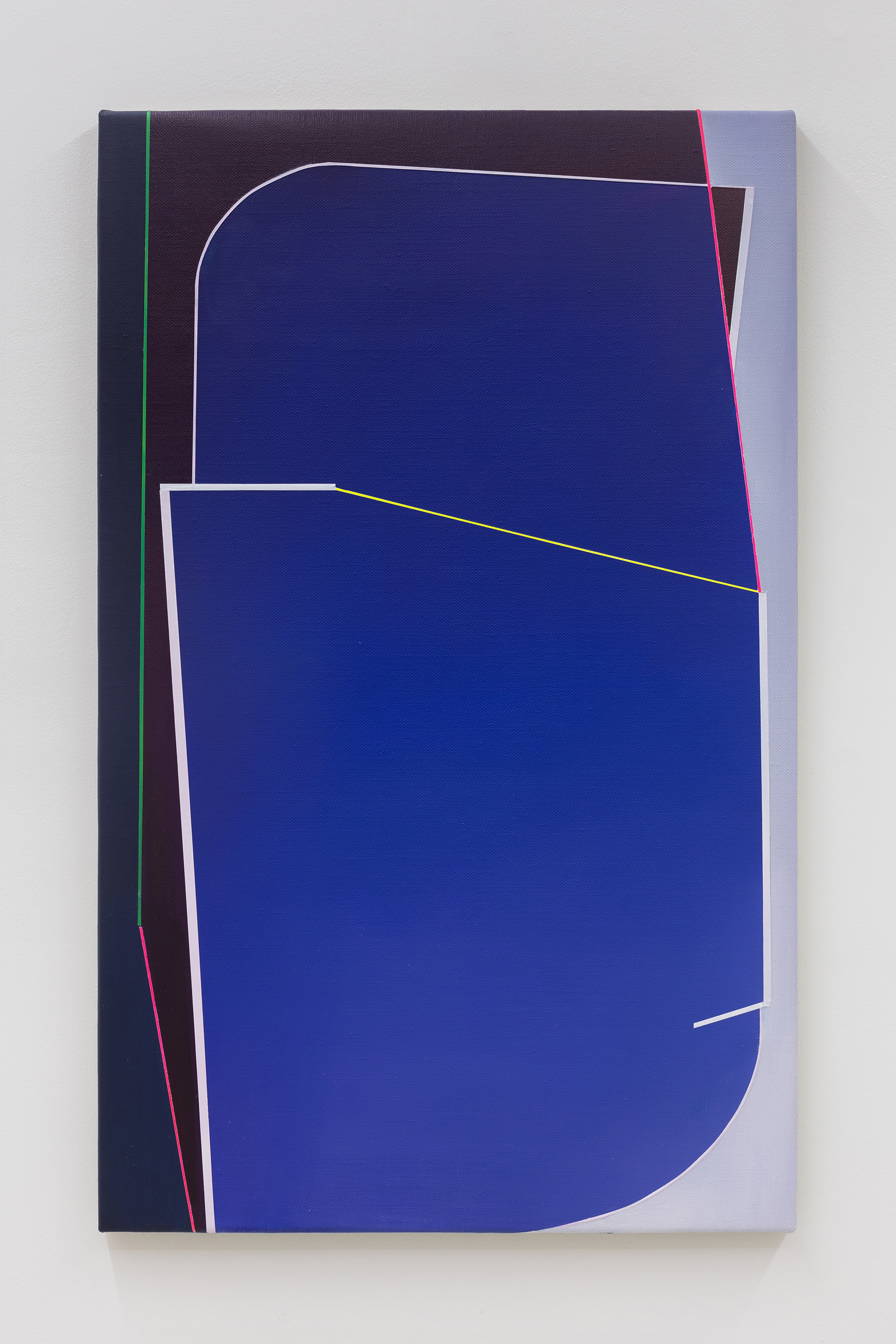
Blue Head
2026 Acrylic on linen 80 x 49.5 cm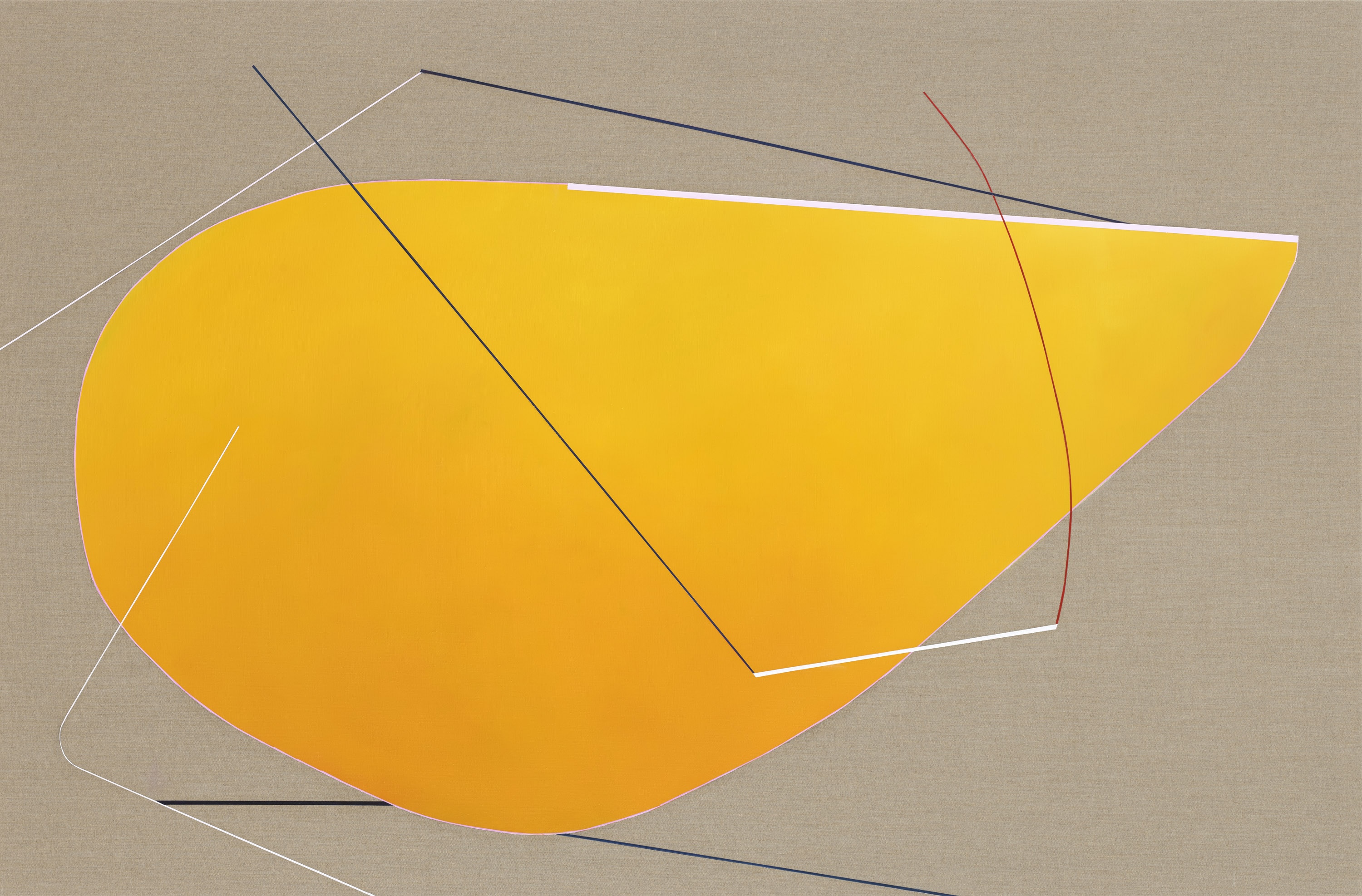
Tear Drop
2026 Acrylic on linen 145 x 220 cm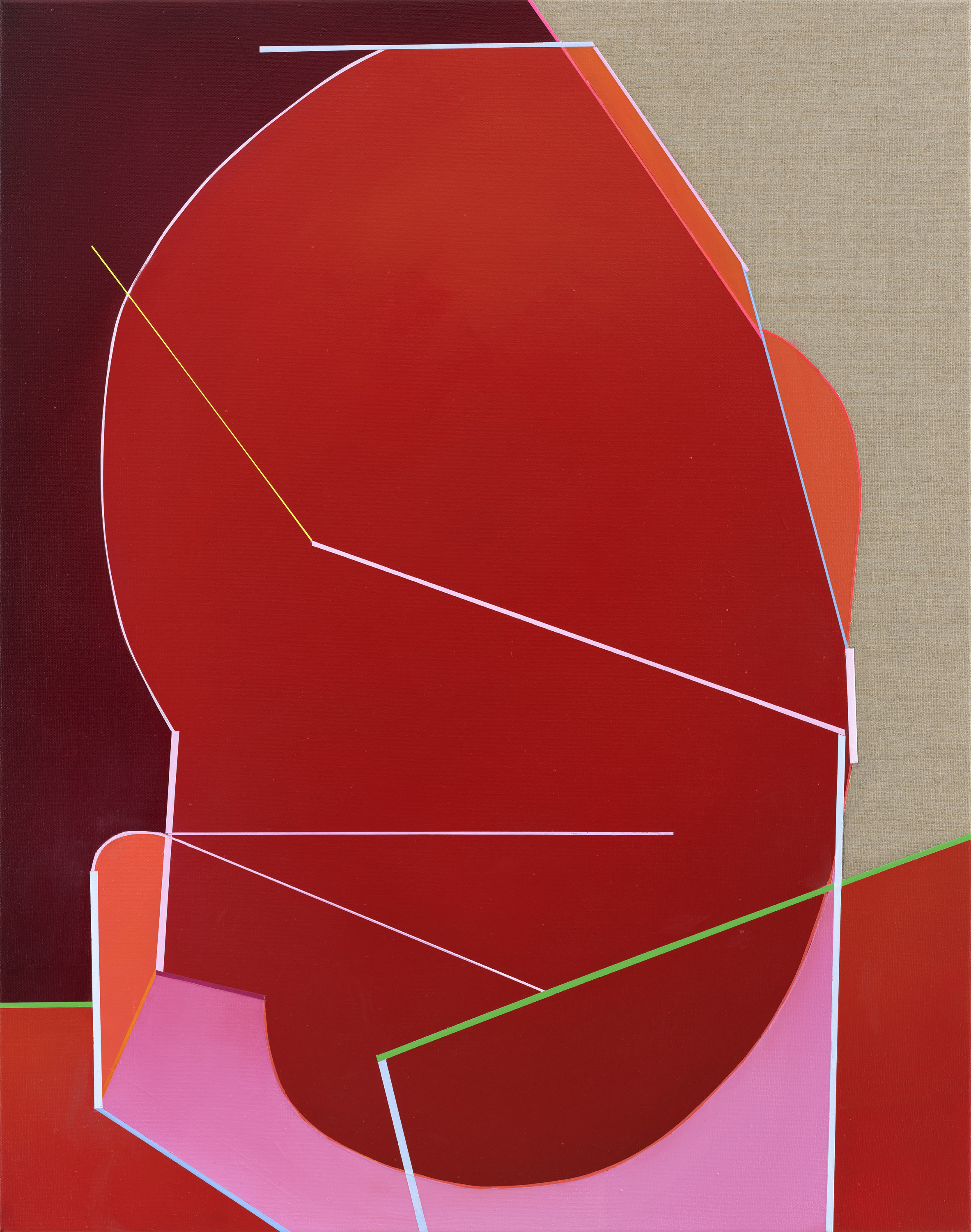
Talking Heads 6
2026 Acrylic on linen 95 x 75 cm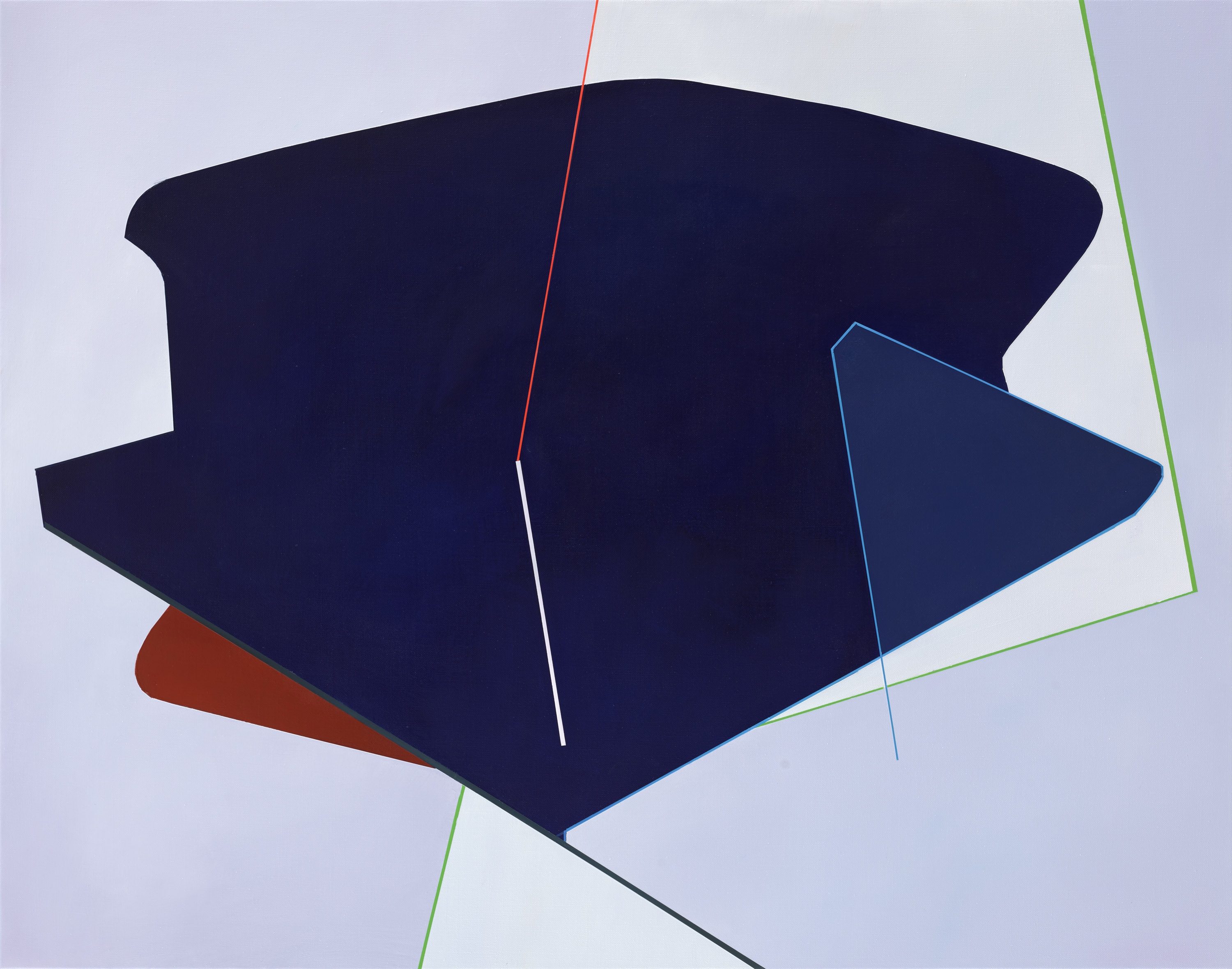
Unfolding Stillness
2026 Acrylic on linen 110 x 140 cm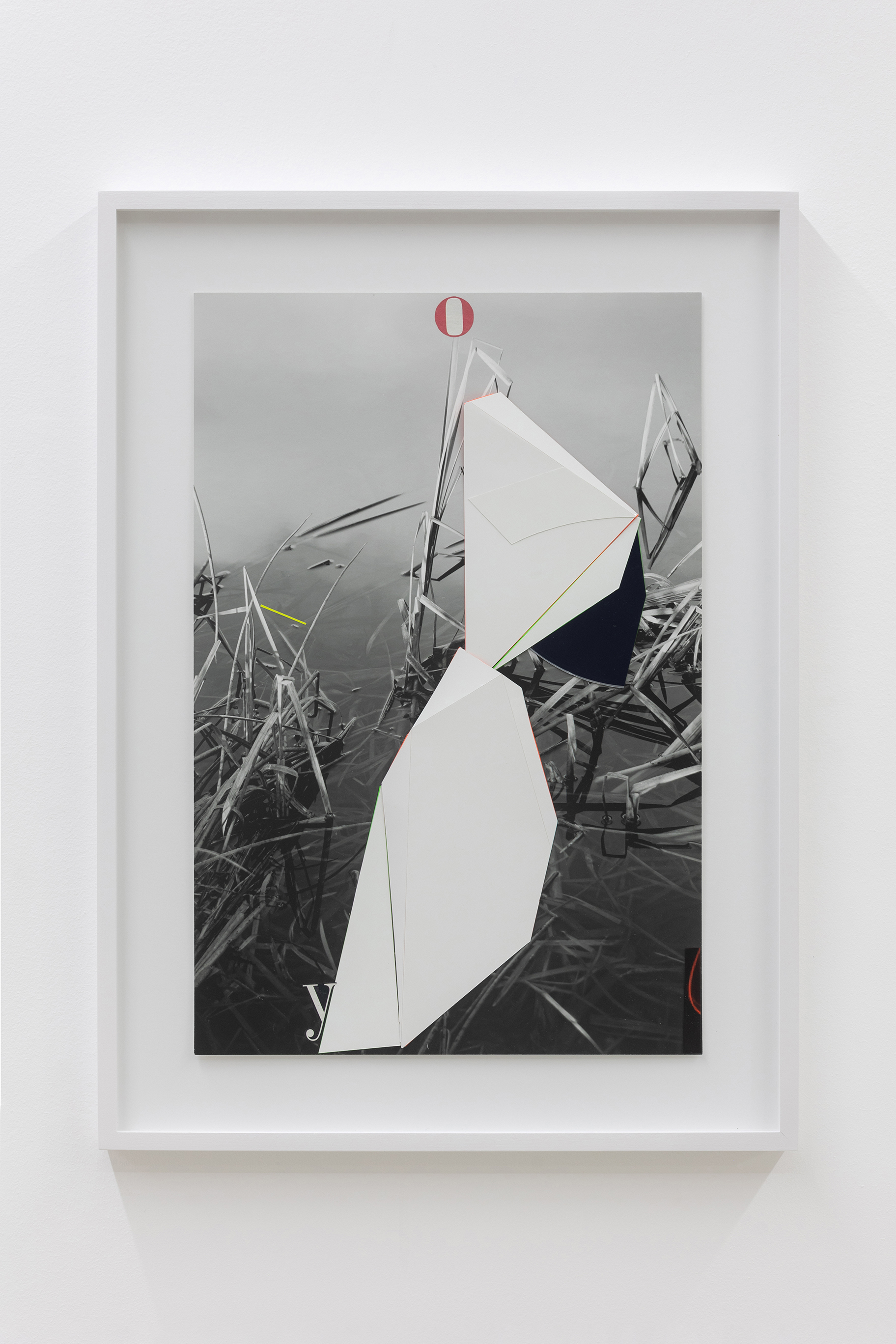
Der Wanderer #4
2024 Digital print and collage on Hahnemühle paper 50 x 35 cm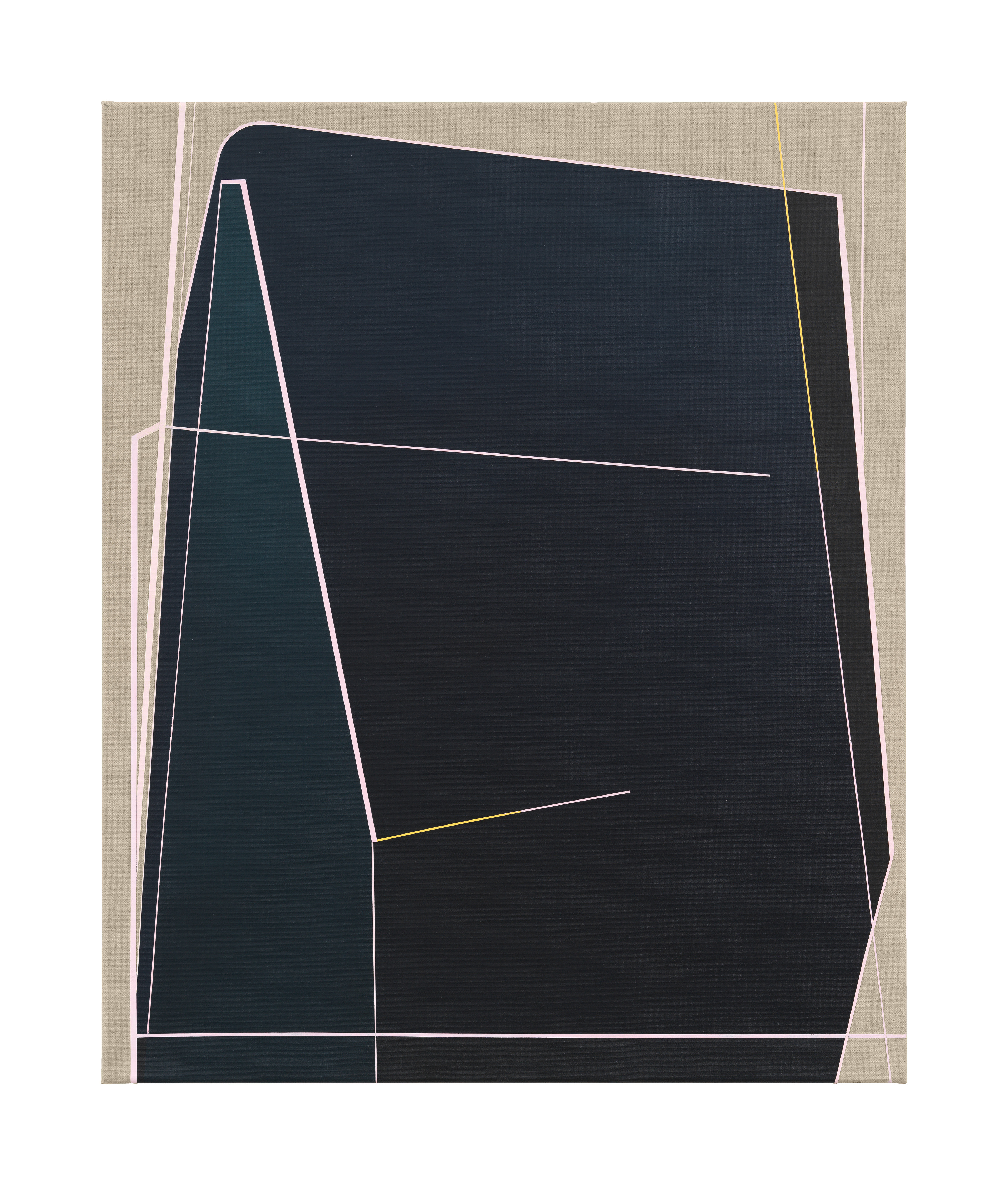
Jazz #1
2020 Acrylic on linen 110 x 90 cm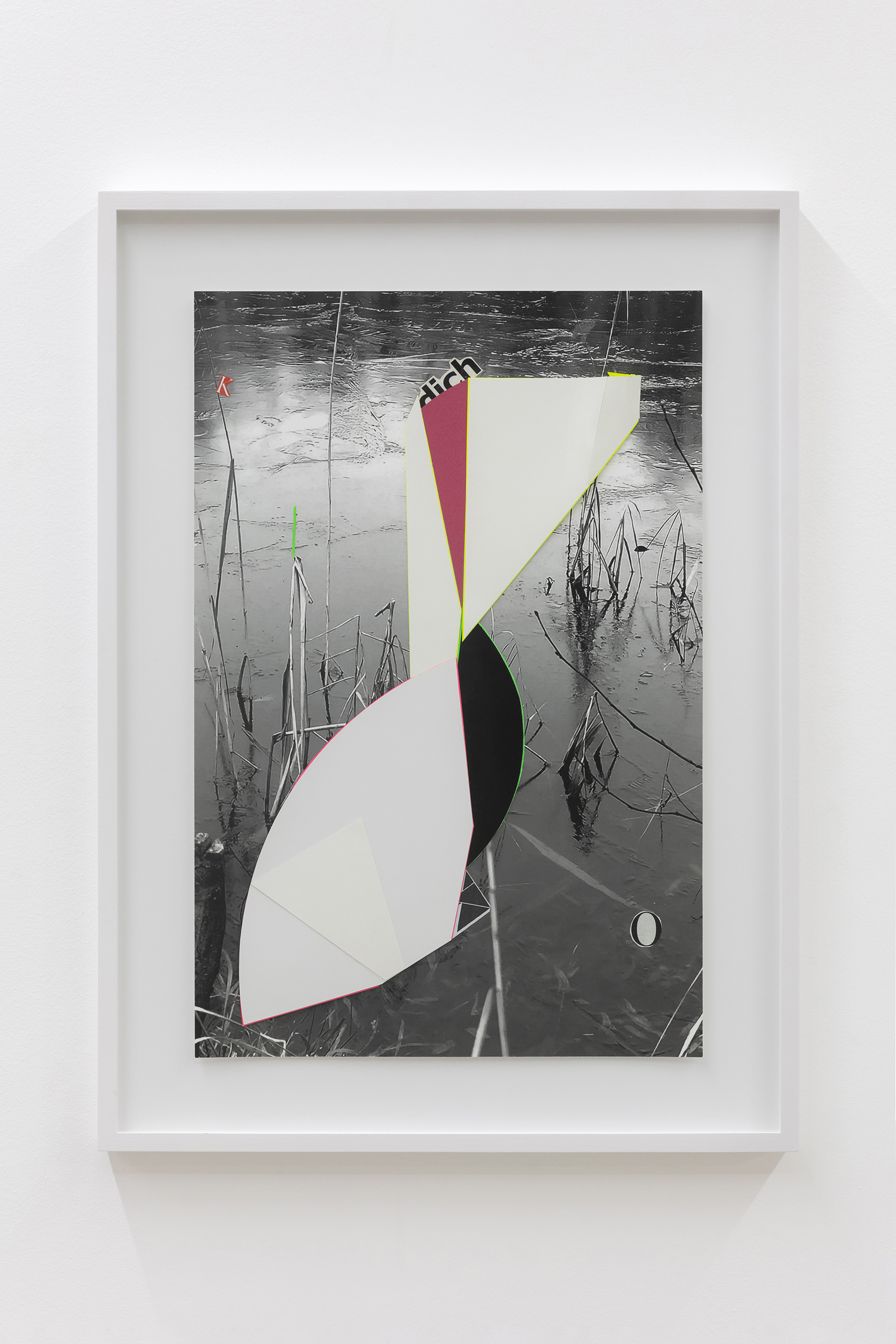
Der Wanderer #17
2024 Digital print and collage on Hahnemühle paper 50 x 35 cm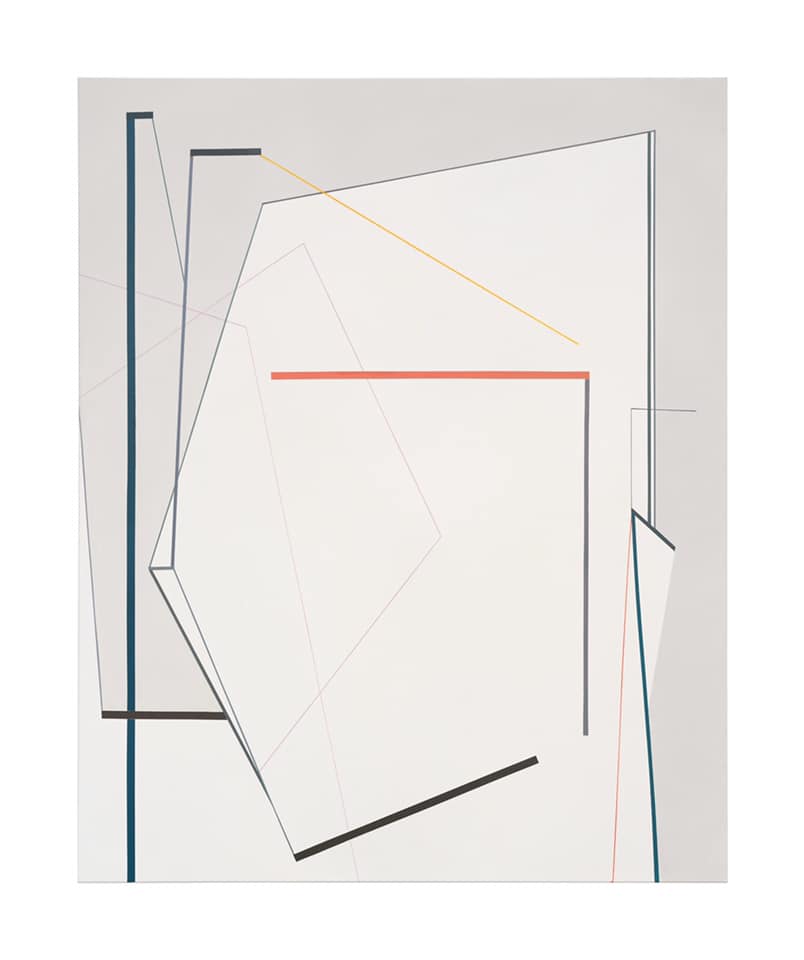
The Gate
2021 Acrylic on linen 180 x 145 cm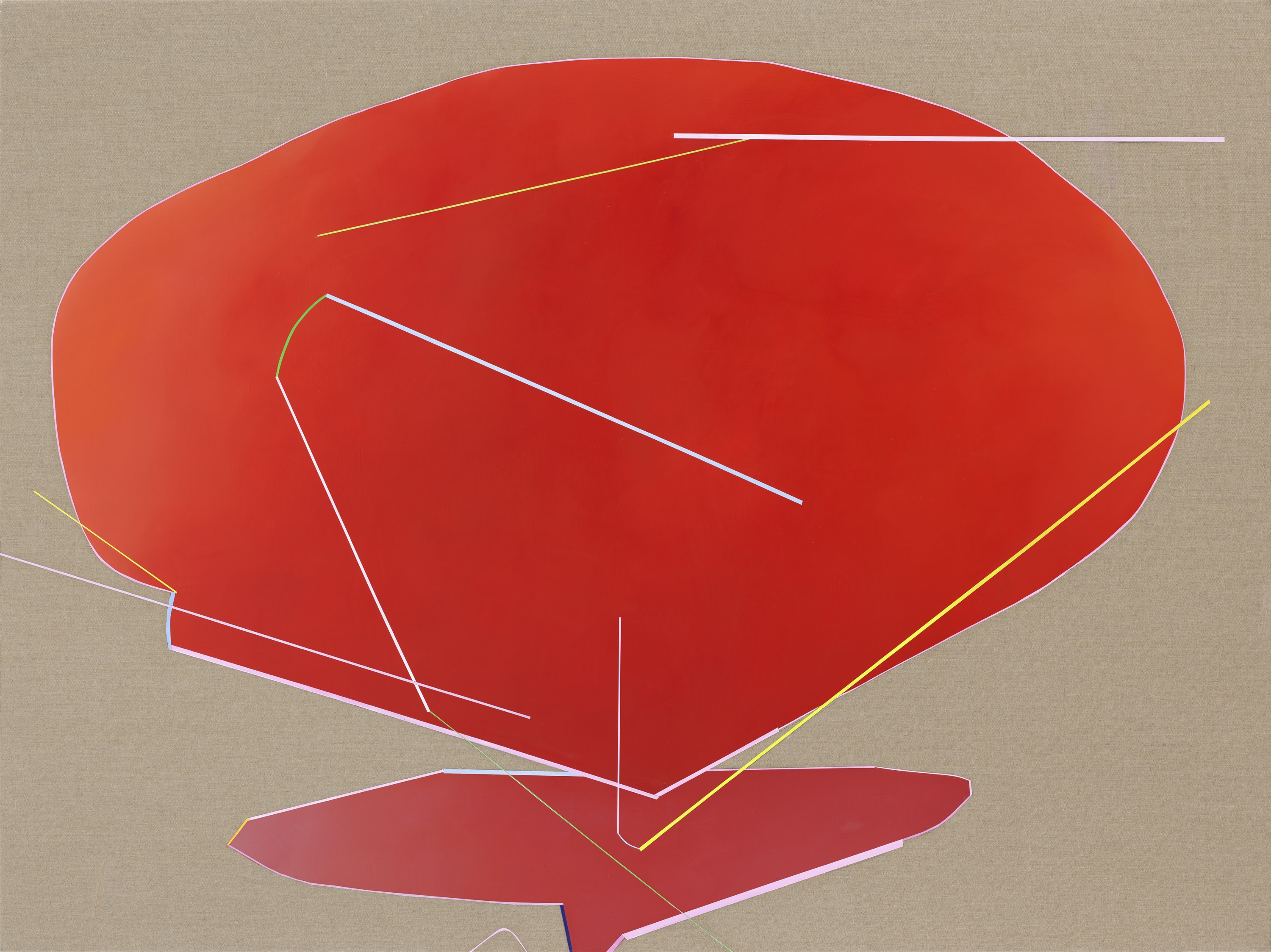
Entanglement
2026 Acrylic on linen 150 x 200 cm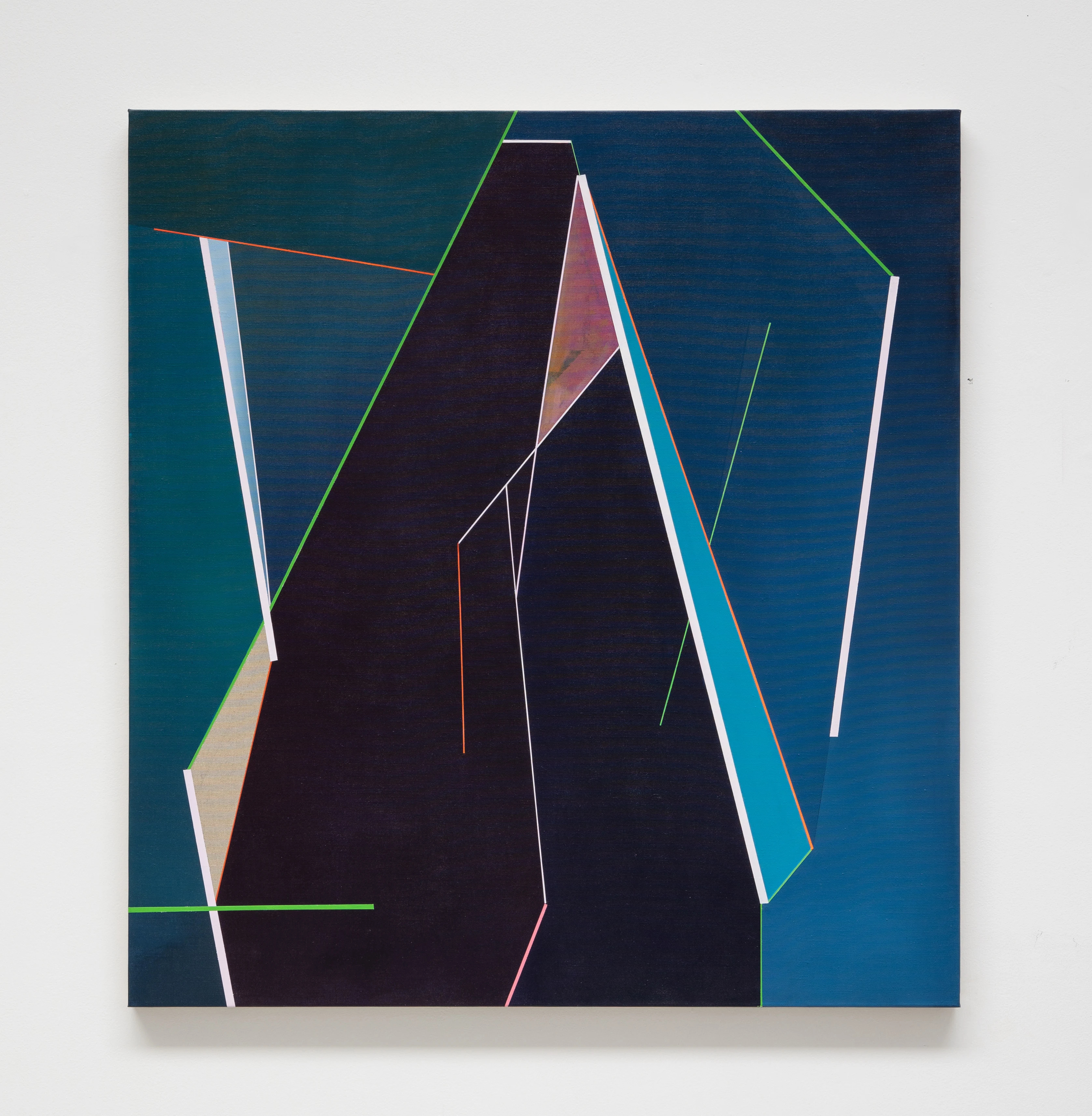
Twist #1
2023 Acrylic on linen 130 x 120 cm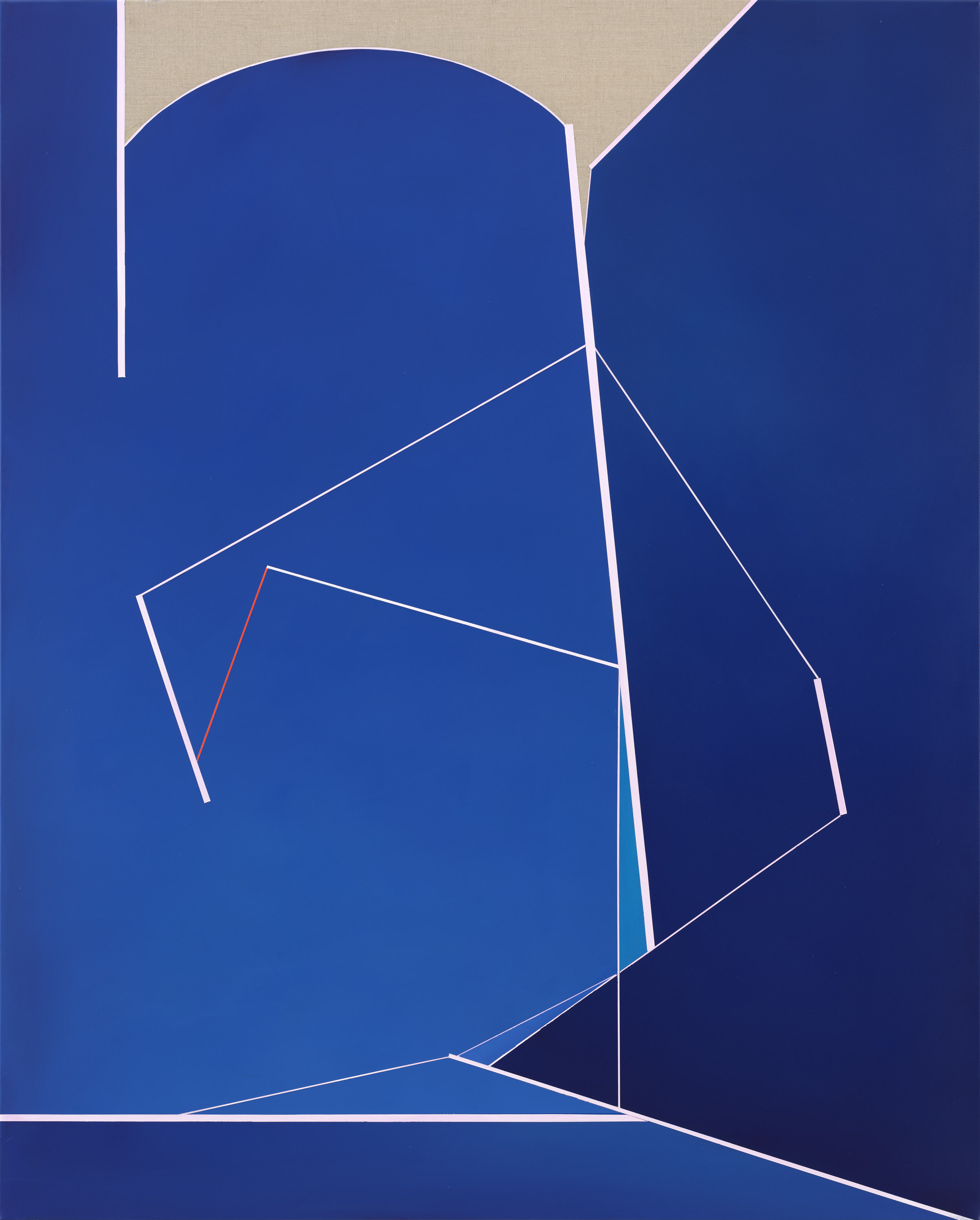
Affective Memory 4
2026 Acrylic on linen 155 x 125 cm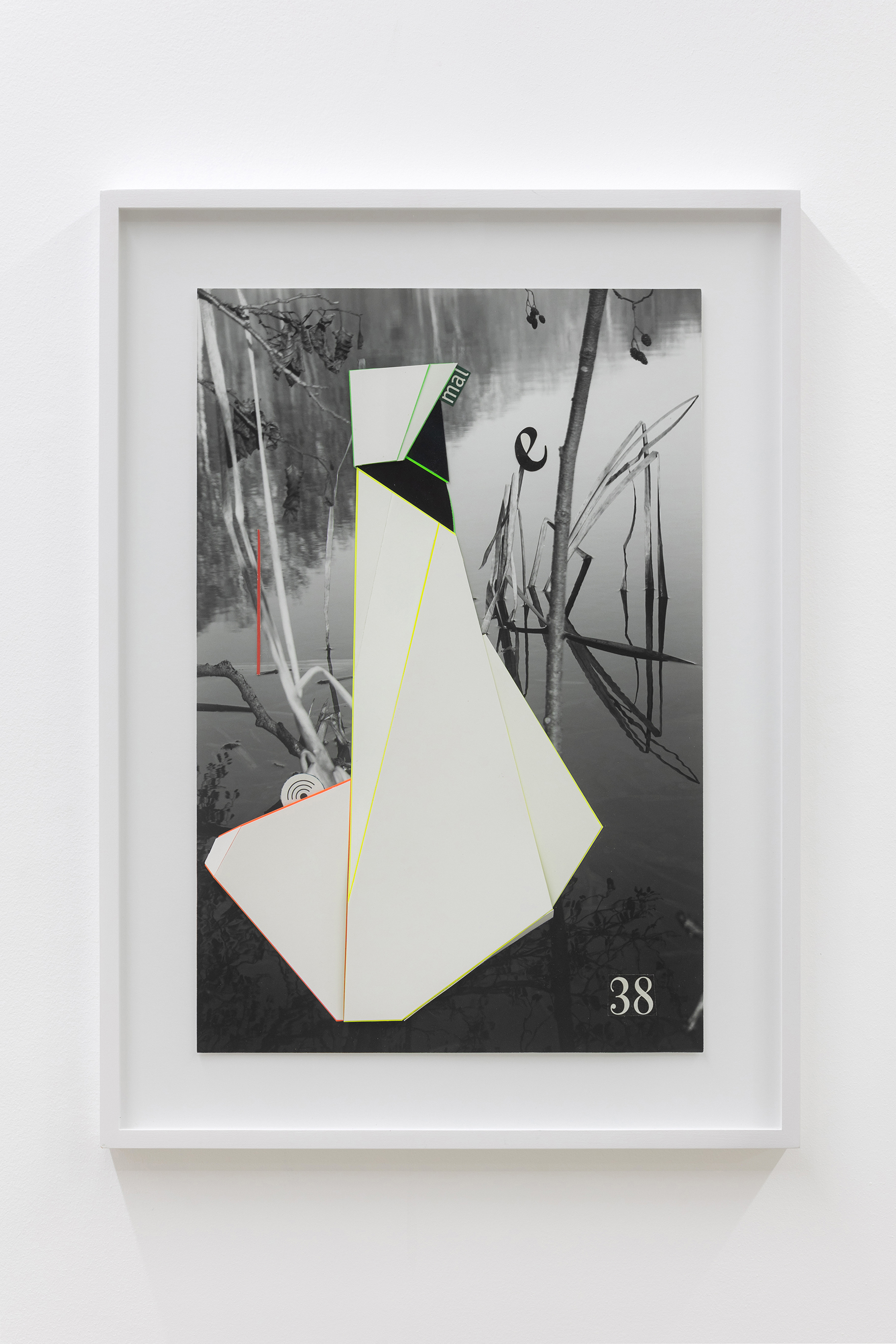
Der Wanderer #6
2024 Digital print and collage on Hahnemühle paper 50 x 35 cmPath 2022
Acrylic on linen
70 x 60 cm
The Watcher 2026
Acrylic on linen
50 x 40 cm
Blue Head 2026
Acrylic on linen
80 x 49.5 cm
Tear Drop 2026
Acrylic on linen
145 x 220 cm
Talking Heads 6 2026
Acrylic on linen
95 x 75 cm
Unfolding Stillness 2026
Acrylic on linen
110 x 140 cm
Der Wanderer #4 2024
Digital print and collage on Hahnemühle paper
50 x 35 cm
Jazz #1 2020
Acrylic on linen
110 x 90 cm
Der Wanderer #17 2024
Digital print and collage on Hahnemühle paper
50 x 35 cm
The Gate 2021
Acrylic on linen
180 x 145 cm
Entanglement 2026
Acrylic on linen
150 x 200 cm
Twist #1 2023
Acrylic on linen
130 x 120 cm
Affective Memory 4 2026
Acrylic on linen
155 x 125 cm
Der Wanderer #6 2024
Digital print and collage on Hahnemühle paper
50 x 35 cm